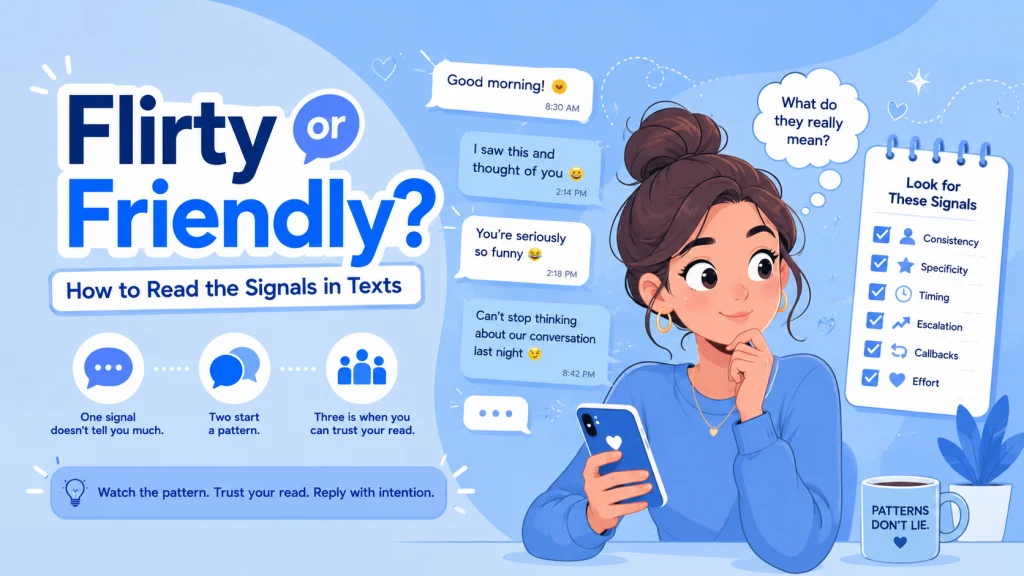
One signal does not tell you much. Two start a pattern. Three is when you can actually trust your read. Figuring out how to tell if a text is flirty or friendly is less about decoding any one message and more about watching what a conversation does across time. This piece breaks down the signals that actually hold up, explains why a single emoji is never enough to go on, and gives you one decision rule for what to do once you have a clearer read. No spiraling required.
The Mistake Everyone Makes Before They Even Reply
Behind a bar, you learn fast that warmth and interest are not the same thing. I watched this play out constantly across nine years and three cities. The regular who tipped well, laughed at everything, and leaned over the counter every single night was usually just a people person. The new customer who came in once, ordered the same thing I mentioned liking, and asked my name on the way out was doing something different entirely. The mistake was thinking the first person was flirting and the second one was just being polite. People got it wrong in both directions, all the time, because they were reading the moment instead of the pattern.
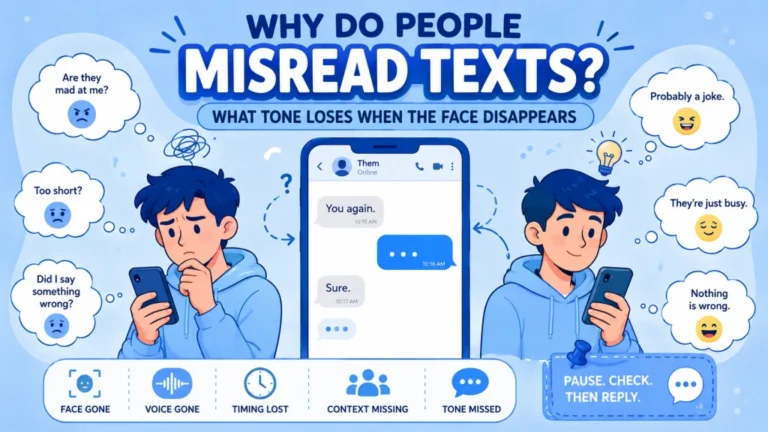
Texts work the same way. A heart emoji from someone who uses hearts with everyone is table stakes. A heart emoji from someone who normally sends three-word responses is a different thing entirely. Before you decide how warm or flirty to go in a reply, getting the read right first is the part most people skip. And skipping it is how you end up either overshooting badly or staying so flat that nothing ever actually moves.
The Signals That Actually Hold Up Over Time
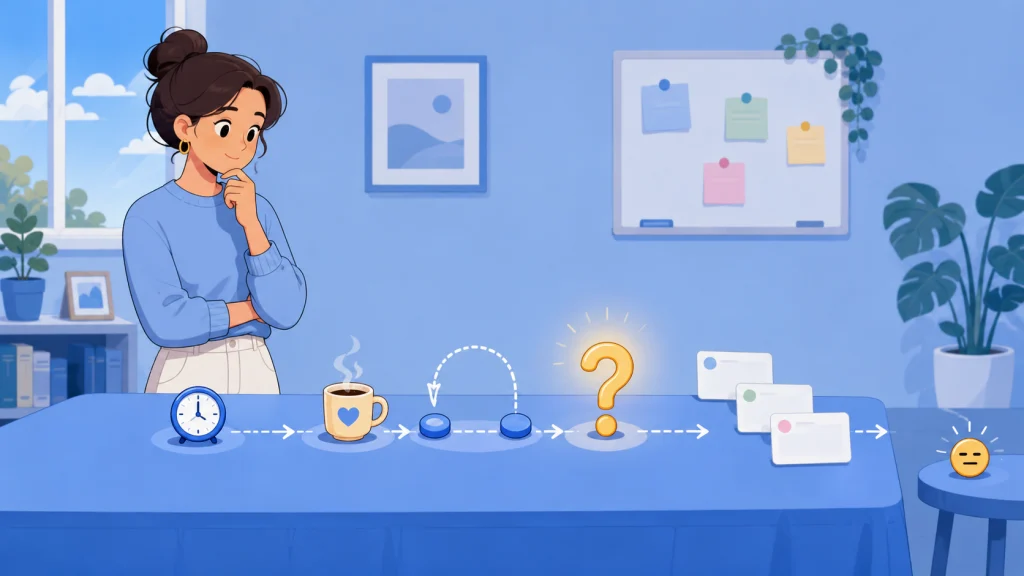
Flirting is ambiguous by design. Research by Henningsen found that people flirt for at least six distinct reasons, including fun, esteem, and exploring a possible connection, and only sometimes for explicitly romantic ones. That ambiguity is not an accident. It gives both people an exit if the interest is not returned. What this means in practice is that one message almost never reveals the intent. You need patterns. Here is what to watch across a conversation, not just a single text.
| Signal | Likely friendly | Possibly flirty |
|---|---|---|
| Consistency | Texts like this with many people | Noticeably warmer or more attentive with you specifically |
| Specificity | Generic compliments (“you’re fun”) | Personal, recalled details (“you mentioned this once”) |
| Timing | Responds when convenient | Fast replies, often; picks up threads hours later unprompted |
| Escalation | Tone stays flat across exchanges | Messages getting longer or warmer over multiple conversations |
| Callbacks | Treats each conversation as new | References things from past exchanges without being asked |
| Effort | Short answers, minimal investment | Jokes, follow-up questions, references that fit your interests |
The other signal worth watching is direction. Friendly texting can be warm without going anywhere. Flirty texting usually creates movement: they start conversations without needing a reason, ask questions that get more personal over time, or leave small openings for the next exchange. Not every question signals interest, but when those questions stack up alongside everything else in the table, the conversation stops feeling random and starts feeling deliberate.
No single row makes the case on its own. But if three or four of them are leaning the same direction, that is worth paying attention to. The signal I have found most telling is callbacks. Someone who texts “saw this and thought of you” three weeks after you mentioned something once may be showing more than casual friendliness. That takes attention and intention, and most people do not spend either on someone they are purely being polite to.
Why One Emoji Is Never Enough to Go On
This is where most people get into trouble. Someone sends a 😉 and suddenly the group chat is in full crisis mode. Research on emoji use in texting found that they can make someone’s intentions feel clearer, but that clarity cuts both ways: the same emoji lands very differently depending on what you already believe about how the person feels. Which means if you want to see flirtation, a winky face confirms it. If you are sure they are just friendly, the exact same winky face means nothing. The emoji does not give you the information. What you already believe going in does.
A friend of mine spent two weeks convinced a coworker was into her because of a steady stream of heart-eyes on her Instagram stories. She sent something flirty. He was genuinely confused. Turned out he liked everything that crossed his feed, reflexively, the way some people double-tap without looking. The warmth was real. The signal was not. One compliment, one good morning text, one reply that landed at the right moment, none of these alone tell you where someone actually is. The question to sit with is not “did this feel flirty” but “is this a pattern of attention directed specifically at me, or is this just how they are.”
Two Different Reads, Two Very Different Replies
Once you have a clearer read, what you do with it matters. Say someone sends a good morning text. Whether it reads as friendly or as something more shapes the entire reply, not just the words but how much warmth you put behind them. If the signals are genuinely mixed, the right move is usually to match the energy, not jump ahead of it. If the signals are pointing somewhere and you want to engage with that, knowing how to respond to a good morning text from your crush without overshooting is its own skill worth having before you type anything back.
The same logic applies to something simpler, like a one-word opener. Someone sends “hey” and you are suddenly trying to figure out if they are bored or actually interested. Context again: is this the first time they have texted you without a reason? Do they do this with everyone? Have the exchanges escalated in tone over time, or stayed flat? If the answers push toward interested, you have something real to work with. A flirty response to hey is a low-risk way to test the temperature without committing to anything either of you cannot walk back easily.
If the signals are clearly there and you want to lean into them, the full range of options for that side of things lives on the flirty replies side of this site. But the whole point of this is to help you figure out whether you actually need that, or whether a warm, friendly reply is the more honest read. Both are valid. Only one is right for your situation, and getting that wrong in either direction costs you more than taking the time to look at the pattern first.
The One Rule That Handles Uncertainty Better Than Anything Else
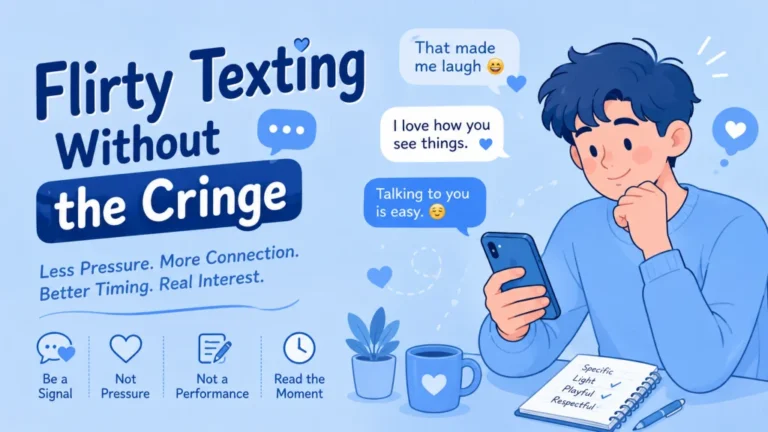
When in doubt, go one step warmer than neutral. Not five steps. One. This is the single most useful thing I took away from watching people navigate this, and it is the one they ignore most often. Someone reads a text as possibly flirty, panics, and either replies with something completely flat because they are scared of being wrong, or goes so far into it that the other person noticeably pulls back. Both overcorrections are the same mistake in opposite directions.
One step warmer gives you real information. It is warm enough to signal openness if the interest is there, and mild enough that if you misread it, nobody ends up feeling cornered or embarrassed. Here is what that looks like in practice:
- If they said something generic and warm, reply with something specific and a little playful. Not a compliment that matches their level exactly, and not something that assumes a dynamic you have not actually established yet.
- If they sent a joke, send a better one. Showing that you caught it and can match it is more interesting than anything else you could do.
- If they referenced something personal from a past conversation, acknowledge it. Do not pretend you did not notice the effort, because noticing is part of the point.
- If the text is genuinely hard to read, a reply that could go either way is often the smartest move. Warm but not committed. Curious but not confessional.
The decision rule is not about being clever in the moment. It is about not burning the whole conversation because you jumped to certainty before the pattern had time to show itself clearly.

Final Thoughts: The Gray Zone Is the Point
Friendly vs flirty texting will probably always sit in the same gray zone, and that is not a flaw in how people communicate. It is a feature. The ambiguity gives both people room to feel things out without having to name them before either one is ready. Henningsen’s research on flirting motivations described this as one of the core ways people actually use flirtation: not to declare something, but to explore whether it is safe to declare something. That is not dishonesty. That is how people talk when something matters to them and they are not sure yet if it matters the same way on the other side.
The best reply when you are uncertain is not the one that resolves the ambiguity in one move. It is the one that leaves room for the conversation to keep going. Get the read as right as you can with the signals you have. Reply one level warmer than neutral. Then let it breathe. You will learn more from the next message than you ever could from the one you are currently staring at.
FAQs
💬 What are the clearest signs a text is flirty and not just friendly?
Consistency and callbacks are the most reliable. Someone who is warm with everyone is probably just friendly. Someone who remembers what you said two weeks ago and brings it up unprompted is doing something different. Look for patterns across multiple exchanges, not a single message that felt charged.
🤔 How do you tell if someone is flirting over text or just being nice?
Ask whether the attention is directed specifically at you or general. Warmth toward everyone reads as friendly. Warmth that scales up with you, faster replies, longer messages, remembered details, is usually something else. One data point does not answer the question. A week of conversations usually does.
😅 What if I genuinely cannot tell if a text is flirty or friendly?
Reply one step warmer than neutral and see what comes back. Not dramatically warmer. Just enough to signal that you are engaged. The next message will tell you more than the one you are currently overthinking.
😬 Is it worth just asking someone directly if they are flirting over text?
It can be an option, especially if you already have a close or honest dynamic. But early on, asking too directly can flatten the tension or make someone feel put on the spot before they were ready to say anything out loud. Replying warmer and watching what comes back is lower risk and tends to give you cleaner information.
📱 Does replying quickly mean someone is actually flirting?
Not on its own. Some people are fast repliers with everyone. But quick responses combined with longer messages, callbacks to earlier conversations, and increasing warmth over time start to mean something. Response speed is one signal, not the whole picture.
Sources
- Henningsen, D. D. (2004). Flirting with meaning: An examination of miscommunication in flirting interactions. Sex Roles, 50(7/8), 481-489. View on SpringerLink
- Punyanunt-Carter, N. M., & Wagner, J. (2018). Interpersonal communication motives for flirting face to face and through texting. Cyberpsychology, Behavior, and Social Networking. View on PubMed