Someone just told you “don’t tempt me,” and that single line is already doing more flirting than most people give it credit for. I’ve heard it land across crowded bars more times than I can count, sometimes as a dare, sometimes as someone trying to slow themselves down before they say something they can’t take back. “Don’t tempt me” replies work best when they match that exact energy instead of racing past it. You’ll walk away knowing how to keep things light, how to lean in when it’s mutual, and how to pull back without killing the moment.

When “Don’t Tempt Me” Is Already Flirting
“Don’t tempt me” replies start strong because the original line already does half the work. By the time someone says “don’t tempt me,” they have already admitted there is something worth being tempted by, and that admission is the whole opening. The smart move is not to sprint past it with something too bold or too explicit. It is to match the tone that’s already there. I’ve watched this exact line work its magic right before last call, usually right before two people decide whether the night is going somewhere or nowhere at all.
The line carries a kind of warning that is not really a warning. It works because it admits attraction while pretending to resist it, which leaves the next move open for whoever responds. Get that part right and the rest is just picking how much you want to lean into it.

Reading the Room: How Much to Lean In
Once you know “don’t tempt me” is doing some flirting already, the only real decision left is how far to take it. That is the part most replies get wrong, either by playing it too safe and letting the moment die, or by jumping somewhere too explicit before there is any real signal to back it up. Scarlett’s whole approach here is escalation control, answering the tension without making it awkward or pushing past what the conversation has actually earned. Replies to “don’t tempt me” work best when they match what already happened in the exchange, not what you wish had happened instead.
This sits inside the wider world of playful flirty comebacks, where reading the room always matters more than having the perfect line ready. For the full picture of what a flirty reply can look like across different openers, the broader rundown of flirty replies that actually land covers more territory than just this one phrase. The table below breaks down which lane usually fits which moment.
| What’s Already There | Try This Lane |
|---|---|
| Light teasing, low stakes | Soft |
| They keep pushing the joke | Teasing |
| Mutual interest is obvious | Bold |
| You want warmth, not heat | Cute |
| You want to slow things down | Pullback |
Most of these moments fall cleanly into one lane once you read them honestly. The sections below break each one down with enough replies to fit whatever has actually been said so far. Start with whichever one matches the read you already have on your messages.
Soft Replies That Acknowledge the Tension Lightly
Soft replies are for when the line landed gently, more like a flirty undertone than a dare, and the moment does not call for anything bigger yet. A good flirty reply to “don’t tempt me” in this lane should sound a little amused, not nervous, like you noticed the tension without making a big deal out of it. It should feel like you caught the hint, not like you are scrambling for a comeback.
- “Noted. I’ll behave. Mostly.”
- “I make no promises.”
- “Then maybe don’t give me a reason to.”
- “Too late for that.”
- “I’ll take that as a warning I’m ignoring.”
- “You say that like it’s a deterrent.”
- “Careful, that sounds like an invitation.”
- “I heard a dare in there somewhere.”
- “Funny, that usually makes me worse.”
- “I’ll try, no promises though.”
- “Now I have to.”
- “That’s exactly the wrong thing to say to me.”
I had a regular tell me once that this exact line was the only thing that slowed an overeager guy down without shutting him out completely, because it gave him permission to keep flirting without forcing the moment somewhere bigger. That is the whole job of a soft reply: buying a little more room without closing the door. Use it when you like where this is going but are not ready to turn the heat up yet.
Teasing Replies That Keep the Game Going
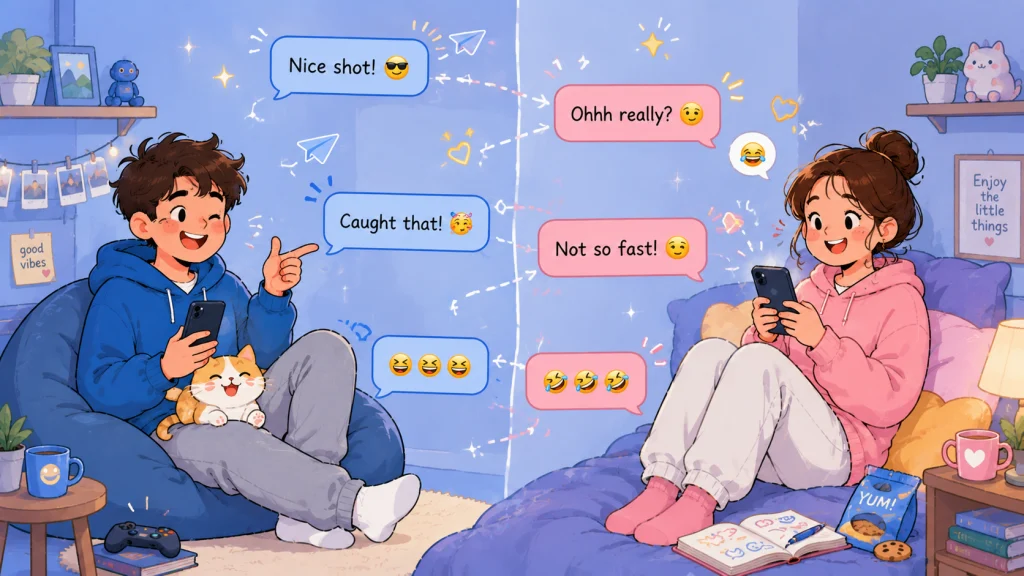
Teasing replies pick up where soft replies leave off, more playful push than acknowledgment. The goal here is to keep volleying the tension back and forth without either person committing to anything yet. Nobody has to mean it completely, the fun is in keeping the exchange alive.
- “Try me and find out.”
- “I love a challenge.”
- “You’re making this very hard for both of us.”
- “I was hoping you’d say that.”
- “Keep talking, see what happens.”
- “I’m listening very closely right now.”
- “That sounded like a dare.”
- “You really want to test that theory?”
- “I’m not scared of you.”
- “Bold of you to assume I’m holding back.”
- “Careful what you wish for.”
- “You started this.”
- “I’m taking that as permission.”
- “Now you’ve done it.”
These work because nobody actually wins, the conversation just keeps moving. The second one of you blinks, gives a real answer, or backs off completely, the game stops being fun. Keep tossing it back until someone decides to take it somewhere real.
Bold Replies for When Mutual Interest Is Obvious
Bold replies only belong in the conversation once you are sure the interest runs both ways. This is not the place to test the water, it is the place to confirm what is already clear. When you’re deciding what to say to “don’t tempt me” and the interest is already mutual, the answer is usually shorter and more direct than people expect.
- “I’m not the one who needs convincing.”
- “Then stop tempting me back.”
- “I already decided I don’t mind.”
- “You knew exactly what you were doing.”
- “I’m not holding back if you’re not.”
- “Say that again and see what happens.”
- “I think we’re past warnings at this point.”
- “You started it, I’m just finishing it.”
- “I like where this is going.”
- “Then don’t stop.”
Bold only works if the read is right. Send one of these to someone who was only half flirting and the whole exchange turns awkward fast. If there is any doubt at all, a teasing or soft reply almost always plays it safer without losing the spark. When in doubt, undersell it rather than oversell it.

Cute Replies That Choose Warmth Over Heat
Cute replies are for when you want the moment to feel sweet more than spicy, more charm than challenge. Flirty responses to “don’t tempt me” do not all have to escalate. Sometimes the better move is softening the whole exchange instead. This lane works especially well early on, before you know exactly where things are headed.
- “You’re trouble, you know that?”
- “I like you too much to behave.”
- “That’s a you problem now.”
- “You’re lucky you’re cute.”
- “I’ll allow it, just this once.”
- “You make that very hard to resist.”
- “I was doing fine until you said that.”
- “Stop being charming, it’s distracting.”
- “I blame you entirely for this.”
- “You’re the exception to my rules.”
- “I didn’t stand a chance.”
- “Okay, you win this round.”
Cute replies keep the warmth without forcing anything bigger to happen right away. They work especially well when neither of you knows exactly where this is headed yet. Lean into them when charm matters more than tension.
Pullback Replies for When You Want to Slow It Down
Not every “don’t tempt me” needs to keep climbing, and you are never required to match someone else’s pace just because they set it. Pullback replies let you stay friendly while taking the temperature down a notch, without making the other person feel shut out completely. They are not a rejection, just a different speed.
- “Let’s slow down a little.”
- “I like where this is going, but not this fast.”
- “Easy, we just started talking.”
- “I’m having fun, let’s not rush it.”
- “Hold that thought for later.”
- “I’m not there yet, but I appreciate it.”
- “Let’s keep this light for now.”
- “I’ll tempt you when I’m ready.”
- “Save that energy, we’ll get there.”
- “I like the tension, let’s not rush past it.”
- “Patience looks good on you.”
- “Let’s get there the long way.”
If what actually came back afterward sounded less like a tease and more like a direct push, that is closer to comebacks built for “make me” energy, which moves at a different speed than this one. And if the challenge in your messages was less about temptation and more about proving something, the lines made for flirty replies to a “prove it” dare fit that moment better than anything here. Either way, you are not stuck improvising once you know which conversation you are actually in.
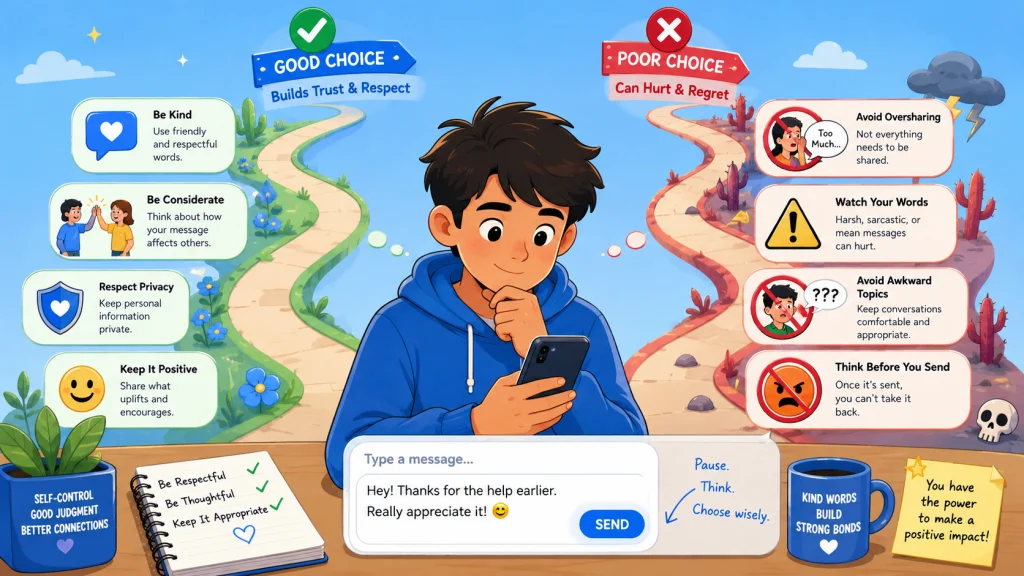
What Not to Say Back
There are three ways this goes wrong almost every time. The first is going explicit too early, before the conversation has actually earned it, which usually reads as overcompensating rather than confident. The second is turning the tease into actual pressure, repeating the line or pushing harder after someone has already pulled back.
The third mistake is fake innocence dressed up as flirting, acting like you have no idea what you just implied when you clearly do. That kind of move reads as manipulative more than playful, and it tends to kill trust faster than any awkward reply ever could. The safest rule here is simple: if you would not feel comfortable saying it out loud in the room, do not send it in a text.
Final Thoughts: Match the Energy, Don’t Outrun It
None of this is about having the boldest line ready. It is about reading what is already in front of you and answering at the same temperature. The best “don’t tempt me” replies work because they extend the moment instead of rushing it or letting it die. Pick the lane that actually matches what was said, not the one that sounds most impressive in your head.
Like most of these moments, the right call depends on the history between you two, the platform, and how the line actually landed when you read it. Trust what you already noticed, because you noticed it for a reason. And if it never felt playful in the first place, you are not obligated to keep playing along just because a clever reply exists.
FAQs
😏 What’s a flirty reply to “don’t tempt me”?
Something short and a little amused works best, like “too late for that” or “try me and find out.” Confidence beats cleverness here.
🔥 Is “don’t tempt me” always flirting?
Almost always, since the line admits there is something worth being tempted by in the first place. The real question is how much heat is already in the exchange.
🙊 What to say to “don’t tempt me” if I don’t want to come on too strong?
Stick with a soft or cute reply, something like “I’ll behave, mostly.” It keeps the door open without rushing anything.
🐢 How do you respond to “don’t tempt me” without sounding desperate?
Keep it short and let the line do the work. A long explanation almost always reads as more eager than the original text.
🚦 How do you slow things down after “don’t tempt me”?
A pullback line like “let’s not rush this” works fine. It is not a rejection, just a different pace.
💬 What’s a witty comeback to “don’t tempt me”?
Something playful like “you started this” or “I was hoping you’d say that” usually lands better than anything overly clever.