An ex text rarely shows up alone. It drags a whole history in behind it, and that history is exactly why a four-word message can wreck an otherwise normal afternoon. How to respond when your ex texts you depends less on clever wording and more on figuring out what the text actually wants from you before you answer it. I have watched people hand over their whole evening to a single line from someone they swore they were over. This piece is about not doing that. Read the motive first, then pick the reply that actually fits it.

Why One Text From an Ex Hits So Hard
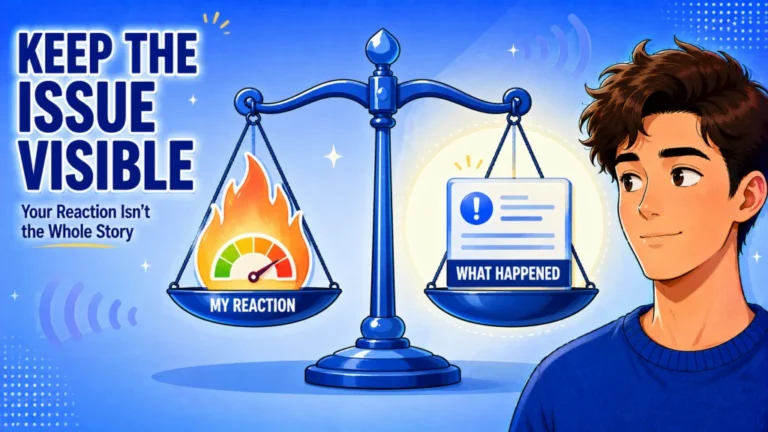
A text from someone new barely registers. A text from an ex lands differently because your brain already has a whole file on this person, every fight, every good morning, every reason it ended. One sentence can pull all of that back up in under three seconds, which is why how to respond when your ex texts you feels so much heavier than any other reply you will send this week. The text itself is usually small. What it stirs up is not.
I have poured a lot of drinks for people staring at their phones after exactly this kind of message, and the pattern is almost always the same. They read it four times, type three different replies, delete all of them, and send something at midnight they regret by breakfast. The fix is not a better line. It is slowing down long enough to see what the text is actually for before your fingers start moving.

Check the Motive Before You Pick a Reply
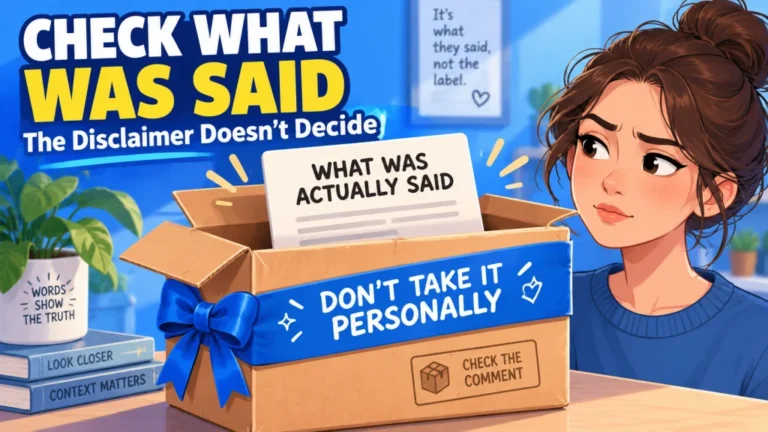
Every ex text is doing one of a few jobs, whether the sender realizes it or not. Some are genuinely practical, a forgotten charger, a mutual friend’s wedding, a tax document still sitting in a shared folder. Some are testing the water, a quiet check on whether the door is still open. Some are pure ego, a need to know they still matter to you. And some are an apology that may or may not be sincere. The reply that works for one of these will misfire badly on another, so the real skill here is reading which one you are looking at before you respond.
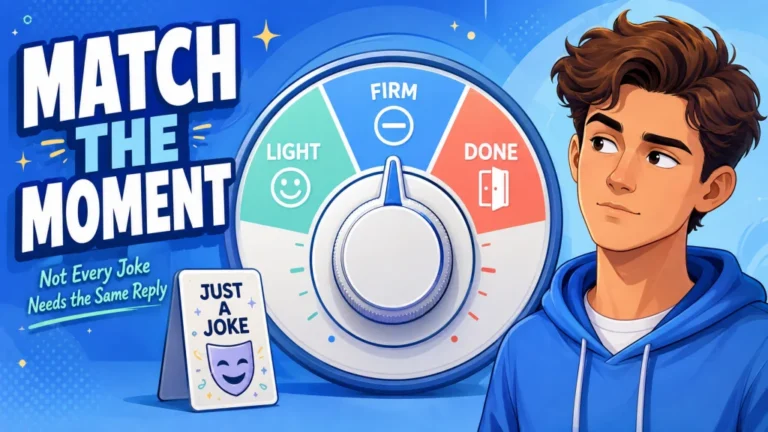
This is the part most lists about ex texting comebacks skip completely. They hand you a savage line and assume every ex text deserves the same temperature. It does not. A logistics text answered with savage wit makes you look unstable. A genuine apology answered with cold neutrality can close a door you may not have actually wanted shut. Reading the motive first is what separates a controlled reply from a reactive one, and it is the difference that matters most in this entire situation.
| What the text is really doing | Reply that fits |
|---|---|
| Logistics or low-stakes contact | Neutral, brief, no extra warmth |
| Testing if the door is open | A clear boundary reply |
| Fishing for an ego boost | Savage but clean |
| A real apology or “I miss you” | Separate the feeling from the decision |
| A pattern of guilt-tripping or pressure | No reply at all |
None of this requires you to know their actual intentions for certain. It just requires you to notice what the words on the screen are doing, because that alone tells you most of what you need before you type a single character back.
Neutral Replies for Logistics or Low-Stakes Contact
Most ex texts are smaller than they feel in the moment. A question about a shared lease, a reminder about a friend’s birthday, a quick “did you ever find my charger?” These deserve exactly the energy they came with, nothing colder and nothing warmer. Treating a logistics text like a loaded one is how a simple exchange turns into something neither of you meant to start.
- “Yeah, I have it. I can drop it off this week.”
- “That works for me, just let me know the time.”
- “I’ll check and get back to you.”
- “Sounds good, I’ll send it over tonight.”
- “No problem, I’ll handle that on my end.”
- “Sure, just text me the address.”
- “I can do Saturday if that works.”
- “Got it, thanks for letting me know.”
- “That’s fine, I’ll meet you there.”
Keep these short and you will notice something useful: a flat, practical reply rarely invites a longer conversation. That is usually exactly what you want when the topic really is just logistics.
Short Replies When You Just Want Minimal Contact
Sometimes the text is not urgent enough for a full boundary conversation, but you still do not want to feed it. A short reply does the job of acknowledging without opening a thread. The goal here is brevity that does not read as cold, just unbothered.
- “Hey, all good here.”
- “Doing fine, hope you are too.”
- “Yep, all good.”
- “Nothing new on my end.”
- “All good, thanks for checking.”
- “Same as always, can’t complain.”
- “Things are good, hope yours are too.”
- “All fine here, appreciate you asking.”
A short reply like this tells the other person the line is open in theory without actually handing them anything to build a conversation out of. That gap is intentional.

Boundary Replies That Don’t Reopen the Door
This is for the text that is testing whether there is still something there. A boundary reply needs to be clear enough that it cannot be mistaken for an opening, while staying calm enough that it does not read as bitter. The line between firm and harsh matters more here than anywhere else in this whole situation.
- “I appreciate you reaching out, but I’m not looking to pick this back up.”
- “I think it’s best we leave this where it is.”
- “I don’t think reconnecting is the right move for me right now.”
- “I’m good where things landed, but thank you for saying that.”
- “I’d rather keep some distance here, for both of us.”
- “I don’t think going back is something I want.”
- “That part of things is closed for me now.”
- “I hear you, but my answer is still no.”
- “I’m not in a place where I want to revisit this.”
A good boundary reply gives the other person nothing to argue with, because there is no opening left to push against. That is what makes it work better than silence in situations where you do still owe them an answer.
Savage but Clean Replies When They’re Fishing for Ego
Some ex texts are not really about logistics, closure, or reconnecting at all. They exist to confirm that you still think about them, still react, still care enough to respond a certain way. I learned to spot this one fast behind a bar, because it is the same energy as someone ordering a drink just to see if you remember their name. These deserve a reply with enough edge to make it clear you noticed the game, without giving them the reaction they were actually after. If you want more of this exact tone for situations outside ex texting, savage comebacks built for the same instinct work the same way.
- “Funny, I don’t remember signing up for this rerun.”
- “I see the timing was very intentional.”
- “Bold of you to check in like nothing happened.”
- “I’m flattered, but I’ll pass.”
- “You really thought tonight was the night to try this?”
- “Cute attempt, but I’m not that bored.”
- “I’ll let you have this one, but that’s it.”
- “Nice try, wrong audience.”
- “I see you, and I’m still not interested.”
The trick with this category is keeping the line short. A long savage reply starts looking like you spent real time crafting it, and that effort is exactly the reaction they were fishing for in the first place.

If They Apologize or Say They Miss You
This is the trickiest category, because the text might be completely genuine, and the words alone will not always tell you which it is. The important thing here is separating what to say back from what you actually decide to do about the relationship. A reply is not a contract. You can answer with warmth and still take weeks to decide what, if anything, comes next.
- “That means something to hear, thank you for saying it.”
- “I appreciate that, I need some time to think about it.”
- “I miss parts of it too, but I’m not sure what that means yet.”
- “Thank you for the apology, I’m still processing how I feel.”
- “That’s a lot to sit with, give me some time.”
- “I hear you. I’m not ready to say what happens next.”
- “I’m glad you said that, but I’m not rushing into anything.”
- “It helps to hear that, I just need to think.”
- “That’s fair of you to say, I need a minute with it.”
- “I don’t have an answer right now, but thank you for being honest.”
None of these promise anything you are not ready to promise. They just leave the door exactly as open as you actually want it, instead of slamming it shut or swinging it wide in the heat of a single message.
Closure Replies That Actually Close Something
Some ex texts arrive long after the relevant feelings have already settled. The reply you need here is not warm and it is not savage, it is final in a way that leaves nothing dangling. These work best when you genuinely mean them, because a closure line said without conviction tends to invite exactly the follow-up you were trying to avoid.
- “I think we both got what we needed from that conversation already.”
- “I’m at peace with how things ended, and I’d like to keep it that way.”
- “There’s nothing left unsaid on my end.”
- “I wish you well, and I mean that as a full stop.”
- “I don’t think there’s more to add to this.”
- “I’ve made peace with this, and I’d rather it stay settled.”
- “I think this conversation already had its ending.”
- “I’m good closing this here.”
- “I appreciate you saying that, and I still consider this finished.”
- “I don’t need this reopened, but I wish you well.”
A closure reply only works if you actually believe it. Said with hesitation, even the cleanest line on this list can read as an invitation instead of an ending.

No-Reply Situations: When Answering Is the Trap
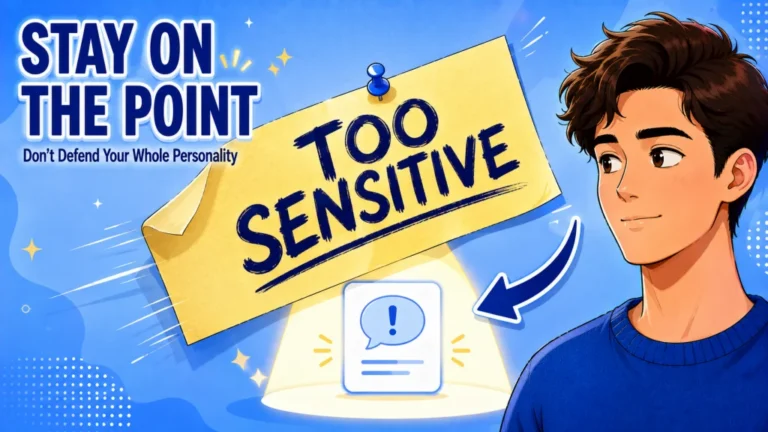
Not every ex text earns a response, and pretending otherwise is how some people end up back in a cycle they already left once. If the pattern includes guilt-tripping, repeated late-night messages, or pressure dressed up as concern, replying at all can read as an opening even when you did not mean it that way. Silence is allowed to be the actual answer here.
I want to be straightforward about something that gets skipped in a lot of these lists. If the relationship involved anything that felt frightening, controlling, or unsafe, this is no longer a comeback-writing situation. That belongs with a counselor, a trusted friend, or in serious cases the people equipped to handle real safety concerns, not a clever reply pulled from a list like this one. There is no line clever enough to manage a dynamic that was dangerous in the first place.
For situations that are uncomfortable rather than unsafe, a short, low-effort acknowledgment before going quiet can still close the loop without keeping the conversation alive:
- “I’m not going to keep this going, take care.”
- “I don’t think continuing this helps either of us.”
- “I’m going to step back from this conversation.”
- “I think it’s best if I don’t keep replying.”
- “I’m not in a place to keep this thread open.”
- “I’m choosing not to continue this, take care of yourself.”
- “This isn’t something I want to keep talking about.”
- “I’m stepping away from this one, take care.”
- “I don’t have more to say here, I wish you well.”
- “I’m done with this thread, take care of yourself.”
After a line like that, the strongest move is usually no further reply at all, even if another message comes in right behind it. The same patience that works for savage replies to text messages in general applies here too, the silence does more work than another sentence ever could.
What Not to Text an Ex
Some replies feel powerful for about ten minutes and then sit in your sent messages like a small regret. Midnight essays are the most common trap, three paragraphs explaining feelings nobody asked to relive. Revenge texts run close behind, anything designed to hurt rather than to communicate. Flirting back when you actually want distance is its own quiet sabotage, since it tells the other person the door is open right after you decided it should not be.
| What you want to send | What to send instead |
|---|---|
| A long message explaining every feeling at once | A short, settled closure reply |
| Something designed to hurt them back | Silence, or a clean savage line |
| Flirting while wanting distance | A clear boundary reply |
| A reply written just to feel powerful for ten minutes | No reply until the urge passes |
The test that holds up best here is simple: if the only reason to send it is how it will make you feel for the next ten minutes, it is not actually for them. Wait until the urge fades, then decide if there is still something worth saying.
Final Thoughts
An ex text rarely needs the response you draft in the first sixty seconds. The version you write right after reading it usually belongs to whatever the text stirred up, not to what actually needs saying. Give it a minute, check what the message was really doing, then choose the lane that fits, neutral, boundary, savage, warm, or nothing at all.
If the message in question leans more sarcastic than emotional, it might fit better with passive aggressive text comebacks built for that exact tone. And if an ex text crossed into outright rudeness rather than nostalgia, the same patience shows up in rude text comebacks too. The skill underneath all of it is the same: read the message before you answer it.
FAQs
💬 What do you say when your ex texts you out of nowhere?
Figure out what the text is actually for first. A logistics question gets a short, plain reply. Anything that feels like testing the water gets a clear boundary instead.
🚫 Is it okay to just not reply to an ex?
Yes. If the text feels like pressure, guilt, or a pattern you already left behind, not answering is a complete response on its own.
😏 How do you respond to an ex who is clearly fishing for attention?
A short, unbothered line works better than a long one. Keep it brief enough that it does not look like you spent time crafting a reaction.
🥀 What if my ex says they miss me and it feels genuine?
You can answer honestly without deciding anything else in the same message. A reply is not the same thing as a decision about getting back together.
⚠️ What if the relationship wasn’t a healthy one?
This is the one situation where a clever reply is not the point. If the relationship felt frightening or unsafe, that belongs with people equipped to help with real safety concerns, not a text back.
🔁 What do you do if they keep texting after you’ve gone quiet?
Staying quiet is still the answer. Repeated messages after silence usually say more about their patience than about anything you owe a reply to.