“Wish you were here” can be a feeling, a flirt, or a soft invitation, and those are not the same thing. The cleanest reply matches the warmth first, then decides whether the distance should stay part of the fantasy or turn into an actual plan. I would rather send one honest line that leaves room for the other person than make a promise just because the text sounds romantic. By the end, you should know when to mirror the feeling, when to tease, and when to keep the wish exactly where it is.

A wish is not automatically an invitation
The best flirty responses to “wish you were here” start by separating warmth from logistics. Someone can mean, “This would be better with you,” without secretly asking you to get in a car, book a trip, or show up at their door. I have watched people get into trouble with this kind of line because they answer the imagined invitation instead of the actual message. If you like the person, match the feeling first and make the practical part a separate decision.
Behind a bar, I saw the same mistake in a hundred different forms: somebody would slide a phone across the counter, point at one soft sentence, and start building an entire future out of it. The useful question was usually much smaller: do you want to send warmth back, flirt with the idea, or make a real plan because a real plan already makes sense? That is the same balance I use for flirty romantic text replies more broadly. A good response gives the moment exactly as much reality as it has earned.
| What you want to do | Best direction |
|---|---|
| Mirror the feeling | Let them know you wish you were there too, without adding a promise. |
| Make a plan | Move toward a real next step only when timing, distance, and interest already support it. |
| Keep it warm | Return the sweetness or the flirt while leaving the wish as a wish. |
Those three paths look simple on a screen, but choosing between them is where most of the judgment lives. If you are not sure, the safest move is usually to answer the emotion you actually received rather than the action you are guessing at. You can always make the next message more specific if they do. You cannot unsend a dramatic promise that was never necessary.
Quick flirty replies when you wish you were there too
When you genuinely wish you were there, the easiest reply is also the strongest one: say so, then add one small bit of personality. You do not need to turn four soft words into a paragraph about how unbearable the distance feels. A short reply leaves the other person room to keep flirting instead of making them respond to a speech. I usually prefer a line that sounds like something you would actually say out loud if they were standing in front of you.
This is also where flirty replies to “wish you were here” work best when they stay uncomplicated. The warmth is already in the incoming text, so your job is not to manufacture more of it. If you want a flirty response to “I wish you were here,” let your answer confirm the feeling before you decorate it. That order keeps the flirt believable instead of making it sound rehearsed.
- “Trust me, I have the same complaint.”
- “You are making it very hard to behave over here.”
- “I was thinking the exact same thing.”
- “Save me a little of that moment.”
- “Careful, I might start wishing louder.”
- “Now I am officially jealous of wherever you are.”
Pick the version that sounds most like your normal texting voice, not the one that looks cleverest in isolation. If you usually text in short bursts, keep it short. If the two of you already use a little teasing, one dry line is enough to keep that rhythm going. The goal is to answer their warmth, not audition for it.

Sweet replies when distance is the real problem
Sometimes the message is not really asking for wit at all. They are somewhere you cannot reasonably reach, and the point is simply that they noticed your absence. In that situation, sweetness lands better than pretending distance is a puzzle you can solve with enough enthusiasm. I would rather acknowledge the gap plainly than make the other person wonder whether I am about to promise something impossible.
The part people commonly get wrong is trying to compensate for distance with intensity. A long message about dropping everything can create expectations you never meant to set. Say the affectionate part clearly, then stop before the reply starts promising more than your circumstances allow. The distance is already doing enough work in the conversation.
- “I wish I was there for that too.”
- “That would be a lot better with you next to me.”
- “You have no idea how much I wish I were there too.”
- “Keep a little room for me in the picture.”
- “I hate the distance, but I like knowing you thought of me.”
- “That sounds like exactly where I would rather be.”
- “I wish I could steal an hour of that with you.”
- “Now I am smiling at a place I am not even in.”
- “I cannot join you, but I can definitely wish with you.”
- “That is a very sweet way to make the distance annoying.”
A sweet answer can stay flirty without turning dramatic. These lines let the other person hear that you want the shared moment without pretending you can change the circumstances on command. That distinction matters when the obstacle is practical rather than emotional. You can be openly interested and still be accurate about where you are.
Playful replies that keep the fantasy light
If the two of you already tease each other, “wish you were here” gives you an easy opening. The trick is to flirt with the idea of being there without suddenly acting as though the fantasy has become a plan. A little exaggeration works because both people can hear the joke underneath it. The moment gets awkward when one person thinks they are playing and the other starts treating every playful line like a commitment.
I like replies that hand the energy back instead of trying to top it. That is one reason short flirty replies usually beat something overly polished when the conversation is already moving. A playful answer should create one more beat, not drag the exchange into a performance. If they want more, they can give you more.
- “That sounds dangerously convenient for you.”
- “You say that now.”
- “Bold of you to assume you would get anything done.”
- “I would improve the view, obviously.”
- “Keep talking like that and I might become a problem.”
- “Look at you, making very tempting suggestions.”
- “You are very confident for someone making wishes from over there.”
- “I see we are just saying tempting things out loud now.”
- “That is a risky little sentence to send me.”
- “I would like to hear your plan for handling me being there.”
- “You are making distance sound suspiciously personal.”
These work because neither person has to defend the joke afterward. The flirt stays in the moment, and the sender can answer with another tease or make the conversation more specific. If they do get specific, you can decide whether you want to follow them there. Until then, the playful version has done its job.
Turn it into a real plan only when that makes sense
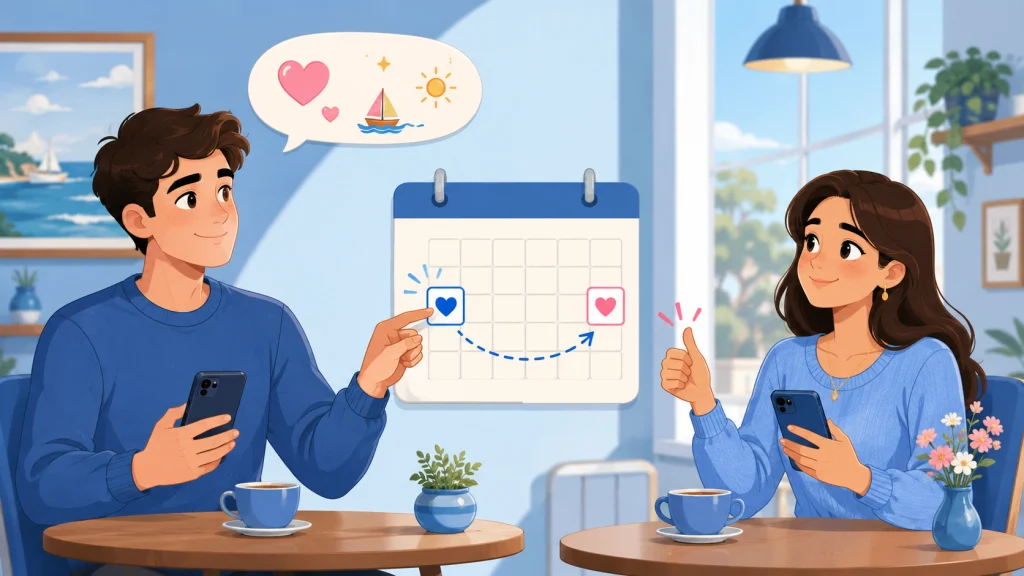
There are times when “wish you were here” is close enough to a real invitation that moving toward a plan feels natural. Maybe you already see each other regularly, you have talked about getting together, or the distance is small enough that asking about another day is not a dramatic leap. Even then, I would not answer with “I am on my way” unless you truly mean it. The better move is to turn the wish into one practical question and see whether they meet you there.
A real plan should sound calmer than a fantasy, not bigger. Try something like, “Then we should fix that soon,” or, “When are you free next?” if you actually want to see them. That gives the other person a clean chance to participate instead of forcing them to react to a grand gesture. Interest becomes much easier to read when both people have to contribute something concrete.
- “Then we should make that happen soon.”
- “Pick a day and I will see what I can do.”
- “I like that idea more when it comes with a real plan.”
- “When are we fixing this distance problem?”
- “How about we turn that wish into coffee sometime?”
- “I am open to making that less hypothetical.”
- “Tell me when you are free and we can see if it lines up.”
- “We should probably give ourselves a better answer than wishing.”
- “I would rather pick a real day than keep complaining about the distance.”
Each of those replies asks for participation instead of performing certainty. The other person has to offer a day, a preference, or some other concrete sign that the idea works for them too. If they stay vague, you can let the conversation stay vague without chasing it. If they meet you with specifics, then you have something real to plan around.
If you cannot or do not want to go
You can like the message without wanting to act on it. Maybe the distance is too much, the timing is bad, or you simply do not want the implied plan even though you enjoy the person. That does not require a cold reply or a fake excuse. The cleanest answer returns the warmth while keeping your actual availability honest.
This is where a lot of people over-explain because they are scared that a simple limit will sound rejecting. I have seen the opposite happen more often: the longer the explanation gets, the more it starts sounding like a negotiation nobody asked for. You can be kind and still leave the logistics closed. A wish does not create an obligation to make it happen.
- “That is sweet. I wish the timing were better.”
- “You are making me smile from a very safe distance.”
- “I like the thought, even if I cannot make the trip.”
- “Keep the wish for me. I am staying put tonight.”
- “I cannot be there, but I am very into being missed.”
- “I like the invitation energy, even if I am not going anywhere.”
- “I am staying here, but that message can stay with me.”
- “Not happening tonight, but I appreciate the wish.”
- “You can keep wishing. I am still smiling.”
- “I cannot make it, but I am glad I crossed your mind.”
The useful part is that the limit is visible without swallowing the whole reply. You can still sound warm, amused, or interested while making it clear that you are not going anywhere. If the sender accepts that, the flirt can keep moving without a problem. If they push for more, then a firmer answer becomes relevant.
Late-night versions without assuming sexual intent
Late-night messages can feel more charged because everything is quieter and people tend to write with less filter. That still does not mean “wish you were here” automatically means sex, a hookup, or an invitation to escalate. The same phrase can be affectionate, lonely, playful, romantic, or just about wanting company. I would rather respond to what is actually there than force the conversation into a more explicit lane.
If you want to flirt, you can make the reply a little softer or more suggestive without making it graphic. A wish you were here flirty reply can simply acknowledge that the hour is making the thought more tempting. Let the other person decide whether they want to keep it sweet, get bolder, or change the subject. That is better than making them pull the conversation back after you jumped too far ahead.
- “This hour is not helping me be sensible about that.”
- “You picked a dangerous time to say that.”
- “Now that is going to stay in my head for a while.”
- “I would be lying if I said I did not like that thought.”
- “That sounds extra tempting at this hour.”
The difference is consent to the direction of the conversation. You can open a door without dragging anyone through it. If they answer with the same energy, you know more than you did one message ago. If they stay sweet, stay sweet with them.
“Wish you were here” versus “I miss you”
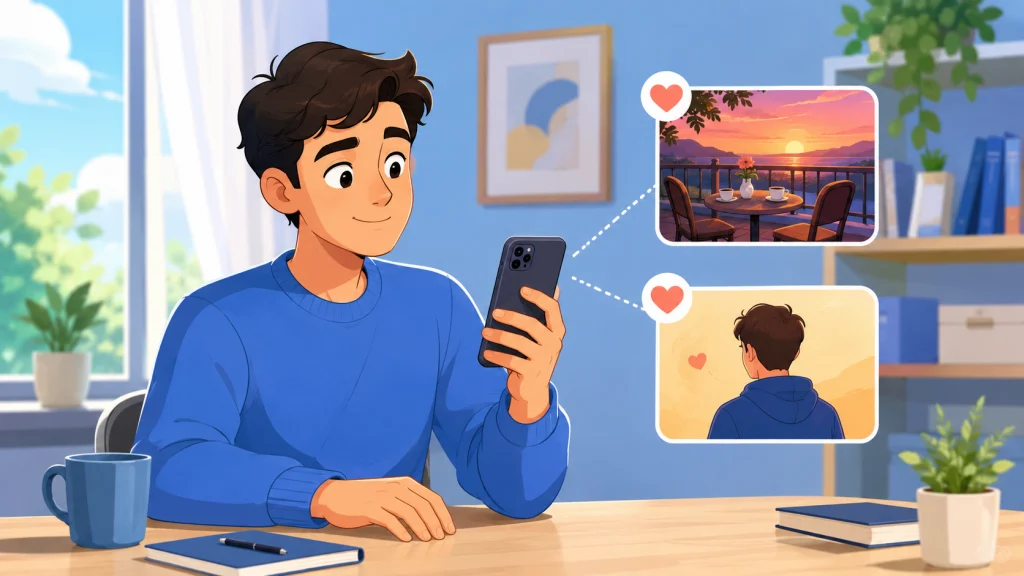
These two messages overlap, but they do not put the same thing in front of you. “I miss you” points more directly at the person and the absence, while “wish you were here” often points at a specific moment they want to share. That small difference changes what feels natural to send back. One invites emotional reciprocity first, while the other can invite you to play with the scene they are already in.
If the sender literally says they miss you, my flirty replies to “I miss you” fit that wording more closely. With “wish you were here,” you have more room to answer the setting, the distance, or the possibility of a plan. I would not treat either phrase as proof of how serious someone feels about the relationship. The next few messages usually tell you far more than the first soft line does.
| Incoming message | What to answer first |
|---|---|
| “I miss you” | The feeling of missing each other. |
| “Wish you were here” | The shared moment, the distance, or a realistic next step. |
That distinction keeps you from over-reading the sentence. You can still be romantic, bold, or playful with either one. You are just answering the emphasis that is actually in front of you. Small differences in wording matter because good replies are usually built from the words someone really sent.
What not to send: fake travel promises, guilt, or instant sexual escalation
The easiest way to make this kind of text weird is to add stakes the sender never put there. “I am coming right now” sounds playful only if both people know it is a joke or you genuinely plan to go. Guilt is worse, because lines like “Then you should have invited me” turn a warm message into an accusation. The flirt disappears the second the other person has to defend themselves.
Instant sexual escalation creates a different problem. If your history already supports that tone, you may both know exactly what you are doing, but the phrase itself does not give you that permission. I would rather leave one beat of room and see what comes back. Flirting works better when both people can keep choosing the direction instead of one person deciding it for both.
- Do not promise travel or a visit you do not intend to make.
- Do not punish them for being somewhere without you.
- Do not treat one affectionate line as proof of commitment.
- Do not jump straight to explicit sexual wording unless that tone is already mutual.
- Do not send a long explanation when one honest sentence will do.
The fix is usually to remove whatever the incoming text did not ask you to carry. Keep the affection if you feel it, keep the flirt if it is mutual, and leave out the invented commitment. One clear sentence is easier for the other person to answer than a dramatic leap. That keeps the conversation moving without pretending you already know where it is headed.
Final thoughts
“Wish you were here” leaves just enough unsaid to tempt people into answering a bigger question than the one they received. I would start with the part you know: they thought of you in a moment and chose to tell you. Send back the feeling you genuinely share, whether that is sweetness, teasing, or simple interest. Only after that do you need to decide whether anything practical belongs in the reply.
The strongest reply is the one you can stand behind after the flirt wears off. If a plan makes sense, ask for something concrete and let them meet you halfway. If it does not, keep the response warm without disguising the limit. That gives the conversation somewhere honest to go next.
Frequently asked questions
Most questions about this text come down to the same problem: people want to know how much meaning to attach to four simple words. I would not read more certainty into the message than the rest of the conversation supports. A warm reply can show interest without locking you into a plan or a label. The next exchange usually gives you better information than trying to decode the first message in isolation.
Keep the answer proportional to what you received. If the sender is sweet, you can be sweet; if they are teasing, you can tease; if they are specific about seeing you, then you can decide whether you want to get specific too. You do not need the perfect line, just one that is true and easy for the other person to answer. These are the questions I would settle first.
💬 How do I respond to “wish you were here” in a flirty way?
If you are wondering how to respond to “wish you were here” in a flirty way, start by matching the warmth with a little edge. Try, “Trust me, I have the same complaint,” or, “You are making that idea very tempting.” Match how you actually feel instead of trying to sound bolder than you are. Short usually gives the flirt more room to continue.
😉 How do I respond if I wish I were there too?
Say it plainly, then add one small personal touch. “I wish I was there too. You are making me jealous of that whole scene” is enough. You do not need to promise a visit unless you genuinely want to make one.
🗺️ Does “wish you were here” mean they want me to visit?
Not necessarily. It can mean they want to share the moment with you without being a literal invitation. If a visit is realistic and you want one, ask a practical follow-up instead of assuming.
🌙 Is “wish you were here” always sexual at night?
No. The timing can make the message feel more intimate, but the words themselves do not establish sexual intent. Flirt at the level the conversation has already earned and let the other person choose whether to take it further.
📍 What if I cannot actually go see them?
Return the warmth without pretending the logistics are different. “I wish I could be there too, but I like knowing you thought of me” keeps the feeling honest. You do not owe anyone a fake plan just because the message was sweet.