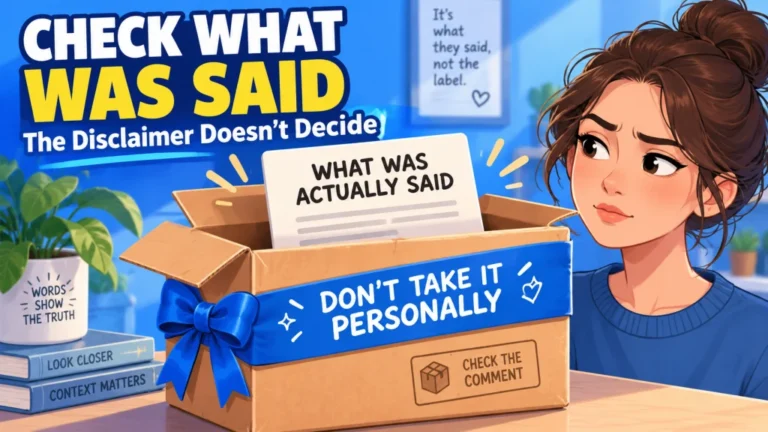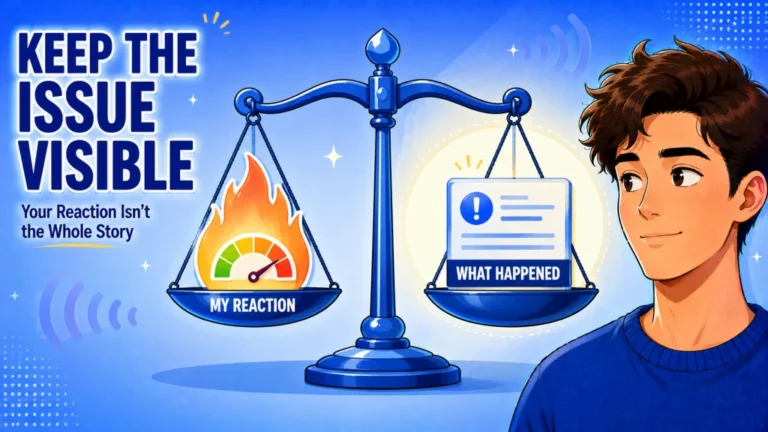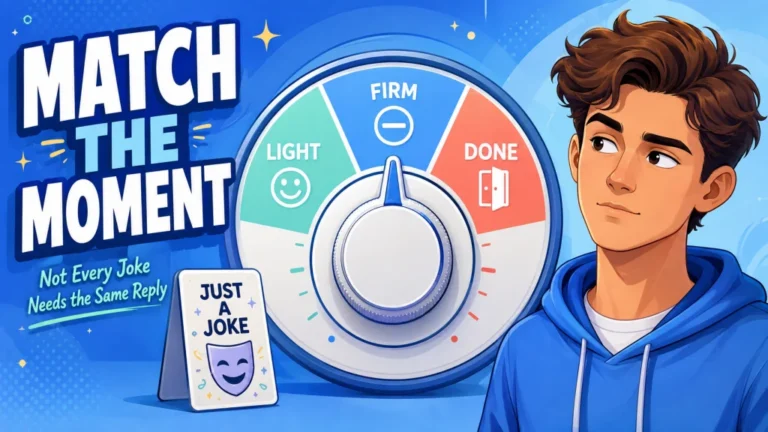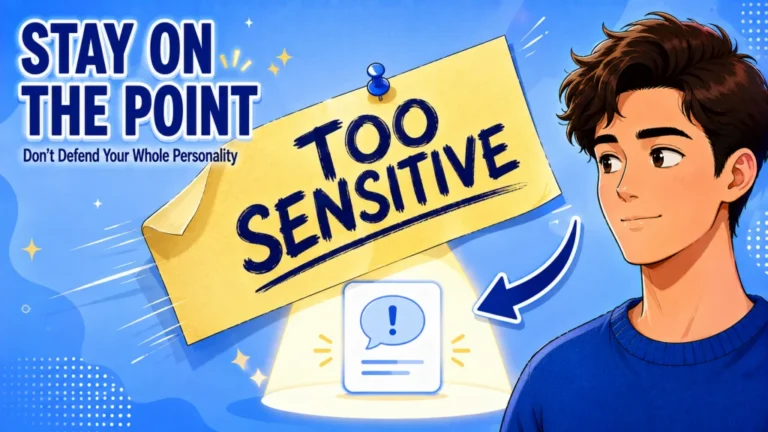
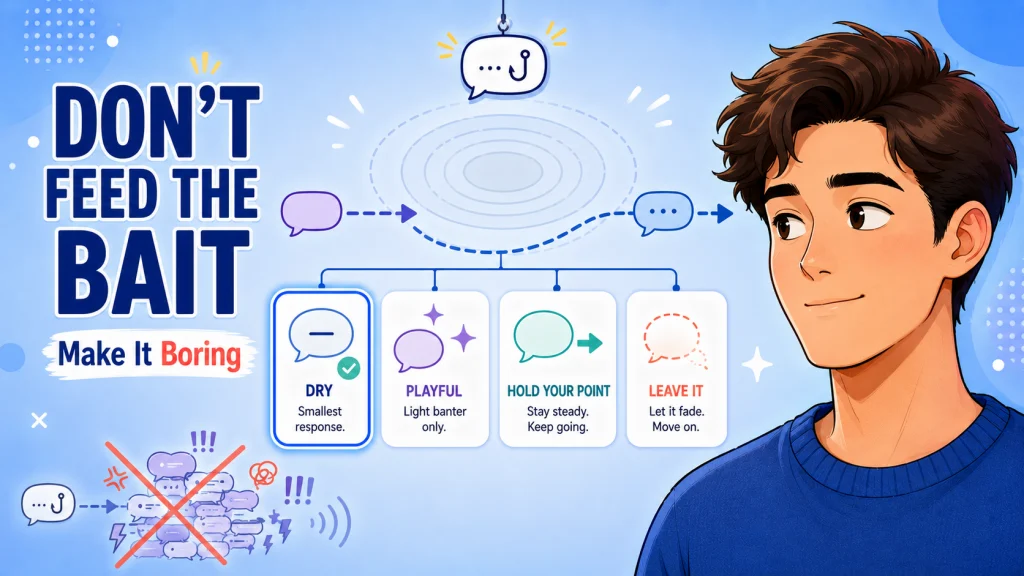
“Cry about it” is usually trying to pull a visible reaction out of you, so the strongest response is often shorter and calmer than the bait deserves. I would choose between a dry dismissal, a playful flip, a clear boundary, or no reply at all based on whether the person is joking with you or simply trying to keep you irritated. The goal is not to win a bigger insult contest. It is to answer in a way that still sounds like you after the conversation moves on.
Quick dry replies
“Cry about it” is bait with a built-in victory condition: if you get visibly furious, the other person gets exactly the reaction they ordered. That is why the best comebacks for “cry about it” usually do less than the taunt expects. A long defense can make one lazy phrase look more important than it was. A dry answer keeps the moment in proportion.
Nine years behind a bar taught me that some remarks are not attempts at conversation at all. They are thrown into a room to see who bites, and the person who does not scramble to prove anything usually keeps more control of the moment. The same read works in texts, group chats, sibling banter, and game chat. Before you answer, decide whether you are meeting a joke, dismissing a troll, or protecting a point that actually matters.
Dry replies work best when they sound effortless rather than rehearsed. I like lines that can be said once without needing a second sentence to explain the joke. They do not have to prove that you are invincible, and they do not need to promise a bigger comeback later. They just make the taunt feel smaller than the reaction it was trying to create.
This is also where a broader set of responses to dismissive replies can help, because plenty of throwaway taunts use the same trick. The useful move is to keep your own frame instead of automatically accepting theirs. You can be bored, amused, or direct without turning the exchange into a performance. Pick the version that sounds most like something you would actually say.
- “I’m good, thanks.”
- “That sounded stronger in your head.”
- “You can keep that one.”
- “Anyway, back to the point.”
- “Not much of a closer, but okay.”
- “That was the whole comeback?”
- “You seem very proud of that one.”
None of those replies asks for a second round. That matters more than finding a supposedly perfect “cry about it” comeback that only works on paper. Say the line, let it sit, and see whether the other person has anything better to contribute. If they do not, you already have your answer about the exchange.

Funny flips for sibling or friend banter
With a sibling or a friend who is obviously joking, you can be looser because the relationship can carry a little more nonsense. The trick is to make the line playful rather than secretly hostile. I have watched friendly banter go flat when someone reaches for a family wound or a personal insecurity just because they wanted the biggest laugh. A joke stops being light the second everyone in the room has to pretend it was harmless.
If you are wondering what to say to “cry about it” in that kind of exchange, flip the phrase instead of raising the temperature. A ridiculous answer, a fake acceptance, or a bored little reversal often lands better than a personal attack. The same timing shows up in comebacks for “who asked?”, where trying too hard usually gives a small jab more importance than it had. Keep the warmth readable if the relationship is actually warm.
“Fine. I’m billing you for the tissues.”
“Already scheduled. Very exclusive event.”
“Only if you bring snacks.”
“Sure, but you’re doing the dramatic soundtrack.”
Those lines work because the joke is aimed at the phrase, not at something painful about the other person. You can make them drier or sillier depending on how you normally talk together. If the other person is laughing with you, keep going if you want. If the tone has shifted into genuine contempt, stop treating it like friendly banter just because it started that way.
Online and gaming replies that do not feed the troll
Online, “cry about it” is easy to repeat because the sender does not have to answer your point or come up with a new joke. That makes the exchange feel louder than it really is. In comments or game chat, I would judge the reply by whether there is still an actual conversation happening. If the other person is only pressing the same button again, cleverness is no longer the missing ingredient.
The mistake people commonly make is treating every repeat as a fresh challenge that deserves a better line. I understand why, because being dismissed in public can make you want to reclaim the room immediately. But one calm answer is enough to show where you stand. After that, repeated bait tells you more about the exchange than another paragraph ever could.
- “New line unlocked yet?”
- “Same one again? Impressive range.”
- “You can copy-paste it a third time if you need to.”
| Situation | Better move |
|---|---|
| A friend says it after a harmless game loss | Use one playful flip and move on. |
| A stranger drops it once in comments | Use a dry dismissal if you genuinely want to reply. |
| Someone repeats it after every response | Stop supplying new material. |
| The phrase is used to dismiss a serious point | State the point once, then set a boundary. |
The table is really one rule in four outfits: match your effort to the amount of actual conversation happening. A friend joking after a game gives you room to joke back, while a stranger looping the same phrase gives you almost nothing to work with. I would save my attention for people who are still participating like people. That keeps the reply proportional instead of turning one comment into an evening project.

Boundary lines when the phrase is dismissing a real complaint
Sometimes “cry about it” is not playful at all. You raise a real complaint, the other person does not want to deal with it, and the phrase becomes a cheap way to dismiss the subject. In that situation, I would not try to out-joke them. The useful response is one sentence that keeps your point intact without turning the exchange into a contest over who can sound colder.
This is where savage comebacks that stay controlled are more useful than anything designed to humiliate the other person. You can say, “You do not have to agree, but I said what I meant,” or, “Mocking it does not answer it.” Those lines do not guarantee the person will suddenly listen. They simply keep you from abandoning your own point just because someone tried to make caring about it look embarrassing.
“You can dismiss it. I’m still not pretending it did not happen.”
“Laugh if you want. The point is still there.”
“That does not answer what I said.”
A boundary line should end something, not secretly invite another round. That is why I would avoid adding a second sentence full of insults after a perfectly clear first one. If the person keeps pushing, you have already said the useful part. More words will not necessarily create more respect.
The no-reply option when they are repeating it like a bot
No reply is a real option when the other person has stopped contributing anything new. If every answer gets the same “cry about it” back, the exchange has become a loop rather than a conversation. I would rather leave that loop unfinished than keep auditioning new lines for someone who is not reading them in good faith. There is nothing impressive about being the last person still typing.
People sometimes avoid silence because it feels like surrendering the last word. I get the impulse, especially when the phrase is irritating on purpose. But a repeated catchphrase is not a debate score, and you do not need to beat it by volume. Sometimes the cleanest ending is simply noticing that there is nothing left worth answering.
If you want one final exit line, keep it neutral and actually exit after you send it. “You have said that already” is enough, and so is “We are done here.” Do not send the exit line and then keep replying to every new jab. The power of an ending comes from ending.
That choice matters even more if the exchange starts feeling unsafe, obsessive, or targeted. A comeback site cannot decide what level of risk you are dealing with from a few words on a screen. You do not owe continued engagement to prove you can handle a taunt. If stepping away feels like the cleaner move, take it without turning disengagement into a defeat.
What not to say: threats, doxxing jokes, family trauma, or slurs
The fastest way to make “cry about it” look powerful is to answer it with something wildly more serious. Threats, doxxing jokes, slurs, and attacks on someone’s family can turn a tiny taunt into a genuinely ugly exchange. I have never seen a room get lighter because someone found the cruelest possible subject and dragged it into a joke. Even when other people laugh, that does not mean the line was worth using.
There is also no need to borrow trauma, grief, mental health, or identity as ammunition. Those subjects carry more weight than the phrase you are answering, and they make your reply harder to defend than the original jab. If your line needs a personal wound to feel sharp, it is not controlled enough for this situation. A smaller answer will usually age better.
- Do not threaten to hurt the person or imply that violence is coming.
- Do not joke about exposing private information or finding where someone lives.
- Do not use family loss, abandonment, illness, or trauma as a punchline.
- Do not reach for slurs because you want the reply to sound more extreme.
The point is not to make every comeback polite. You can be dry, blunt, dismissive, or funny without making the exchange dangerous or cruel. Sharpness comes from timing and control, not from finding the most damaging subject available. If the reply leaves you looking more invested than the person who baited you, it missed the assignment.

Final thoughts: make the bait boring
The right reply depends on what is actually happening between you and the other person. Friendly banter can take a joke, trolling barely deserves a line, and a real complaint calls for a boundary instead of a punchline. Those are different jobs, even when the phrase on the screen is identical. Read the situation first and let the wording follow.
I would choose the response that still sounds natural coming out of your mouth, not the one that looks most savage in a list. A good comeback does not need a victory speech attached to it. It should leave you feeling like you said what you meant and did not get dragged somewhere you never intended to go. That is enough work for one line.
FAQs
Most questions about replies to “cry about it” come down to the same choice: are you dealing with banter, dismissal, or repetition? The words can look identical on a screen while the social situation underneath them is completely different. I would read the relationship before I read the line. That keeps you from using a scorched-earth response in a moment that only needed four calm words.
The other thing people overthink is whether there is one perfect reply that shuts the phrase down forever. There is not, because the person saying it still gets to choose what they do next. Your job is smaller and more useful: pick a response that fits your tone and does not hand them a bigger reaction than they earned. These are the questions I would answer first.
💬 What do you say when someone tells you to “cry about it”?
Use a short line such as “I’m good,” “You can keep that one,” or “Anyway, back to the point.” If the person is only fishing for a reaction, shorter is usually stronger. Do not turn one lazy taunt into a speech.
🎮 Is it better to ignore someone who keeps saying “cry about it”?
Often, yes. If every reply gets the same phrase back, they are not giving you anything new to answer. Silence ends the loop without rewarding repetition.
😄 What is a funny response to “cry about it” from a sibling?
Keep the joke aimed at the phrase, not at a real insecurity. Something like “Fine, I’m billing you for the tissues” keeps the exchange playful. If the tone stops feeling friendly, switch out of joke mode.
🧱 What should I say when “cry about it” dismisses a real complaint?
Keep your point instead of chasing the insult. Try “Mocking it does not answer it” or “You do not have to agree, but I said what I meant.” A boundary is useful because it closes the exchange without pretending the complaint vanished.
🧊 Are dry replies better than savage insults here?
Usually, when the phrase is obvious bait. A dry reply gives the other person less emotional material to work with. Save heavier lines for situations where the context genuinely calls for more than a shrug.