When someone makes fun of your looks, the move they’re counting on is a reaction. A flinch, a flush, a defensive explanation that turns your appearance into a debate. The comebacks here are built around a different goal: make the insult look small without making your face the subject of the conversation. Sixty replies across different settings, from public rooms to text threads to friend groups, for every version of this moment. The goal in each case is the same. Walk away looking like the one who wasn’t rattled.
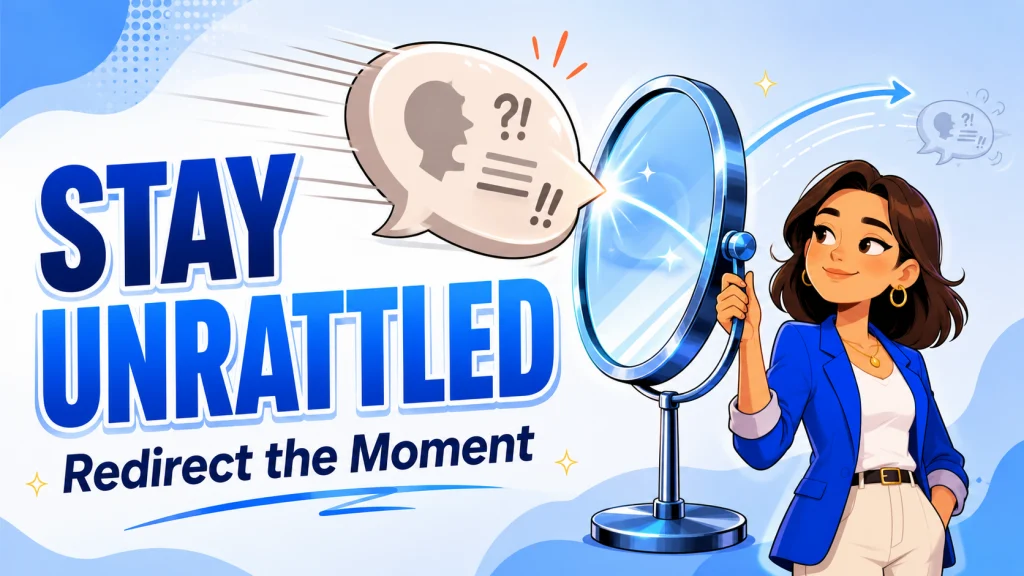
Why Comebacks When Someone Makes Fun of Your Looks Work Differently
The replies that actually land in this situation have almost nothing to do with your appearance. Appearance insults are cheap shots for a specific reason: they target something visible, something you can’t immediately change or explain away, something the other person can point at while you’re standing there. That’s the design. The insult works because it puts you on defense about something you can’t fix in the moment, and the longer you stay there defending it, the more the original comment looks like it hit something real.
What I’ve noticed, after nine years behind a bar watching these exact moments play out with strangers and regulars, is that the person who comes out of an appearance insult looking composed is almost never the one who argued back about their looks. They’re the one who redirected. Instead of defending what they look like, they pointed at the person who chose to say something like that out loud. The insult becomes about the insulter’s judgment, not about your face. That shift is the whole game.
The freeze is real and it’s worth naming. Someone says something about your nose or your skin or how you look in whatever you’re wearing, and the brain locks up because it’s trying to process the hit and find the reply at the same time. That’s not weakness. I’ve seen quick-witted people go completely blank in these moments because there’s nothing in the standard social script for handling someone who just decided to comment on your face. The solution is to already know where you’re going before the moment arrives.
Savage Replies to Looks Insults
Savage replies to looks insults don’t have to be cruel to land hard. The ones that work best flip the lens so fast that the other person barely registers what happened. One second they’re expecting you to flinch, the next they’re the one who looks petty for having said anything. These are for situations where you want to give something back with real edge, sharp enough that it can’t be dismissed, pointed enough that they’ll think twice before trying it again.
- “Bold move from someone who clearly peaked at rude.”
- “That’s the most effort you’ve put into anything all day.”
- “Fascinating. You’ve mistaken cruelty for personality.”
- “Thanks for the unsolicited review. I’ll file it where it belongs.”
- “I didn’t ask, but I’m sure you feel better now.”
- “Your commentary says a lot about you. Not a word about me.”
- “Spend a lot of time thinking about how I look?”
- “That’s a strong opinion from someone I barely registered.”
- “You’re putting a lot of energy into someone you clearly find disappointing.”
- “Must be exhausting, caring that much about my face.”
- “Interesting. I hadn’t thought about my appearance once today until now.”
- “I look exactly like myself. Thank you for noticing.”
“Must be exhausting, caring that much about my face” is the one I’d reach for first in most situations. It makes the insult sound like their problem and frames you as mildly curious rather than stung. That’s the tone you want. Not angry, not wounded. Genuinely unbothered, with a slight tilt of the head. The person who threw the comment at you was expecting to rattle something. Mild curiosity is harder to attack than anything defensive.
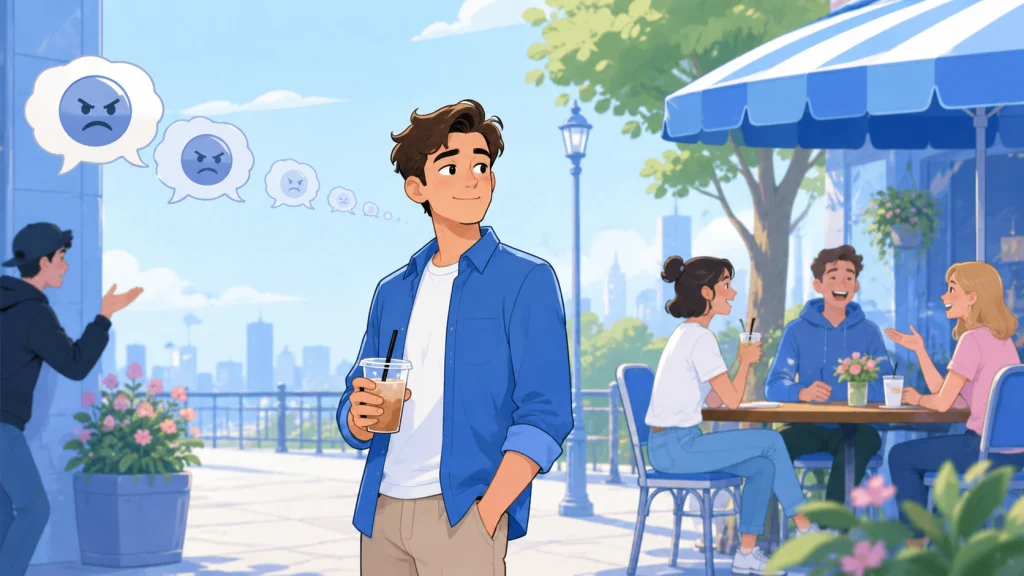
Short Dismissals: Deny the Insult a Stage
The shortest answers are sometimes the most disorienting ones. When someone mocks your appearance, they’ve set up a kind of call-and-response: they make the comment, they wait for the reaction. A one-word reply, or something close to it, gives them almost nothing to work with. It reads as completely unbothered. The insult had no visible effect. That’s genuinely harder to handle than a well-constructed comeback, because there’s no thread to pull.
A regular at my bar got a comment about her hair from someone who was clearly looking for a rise. She looked at him for about two seconds and said, “Okay.” Not sarcastic. Not wounded. Just “Okay,” like he’d told her the time. He had absolutely nothing left to do. The conversation was over before he understood it had ended. She didn’t win with cleverness. She won by giving him less than he came for. These are all built on that same principle.
- “Okay.”
- “Sure.”
- “Cool observation.”
- “Thanks for sharing.”
- “Noted.”
- “Fascinating.”
- “Right.”
- “And yet, here we both are.”
- “That one land the way you hoped?”
- “I’ve heard worse.”
“That one land the way you hoped?” is slightly longer than the others but earns its place because it forces the person to evaluate whether the insult even worked. The implication is that it didn’t. If you’re looking for comebacks for people who mock your appearance in front of others, the next section handles that specific situation, where the audience changes the calculation a little.
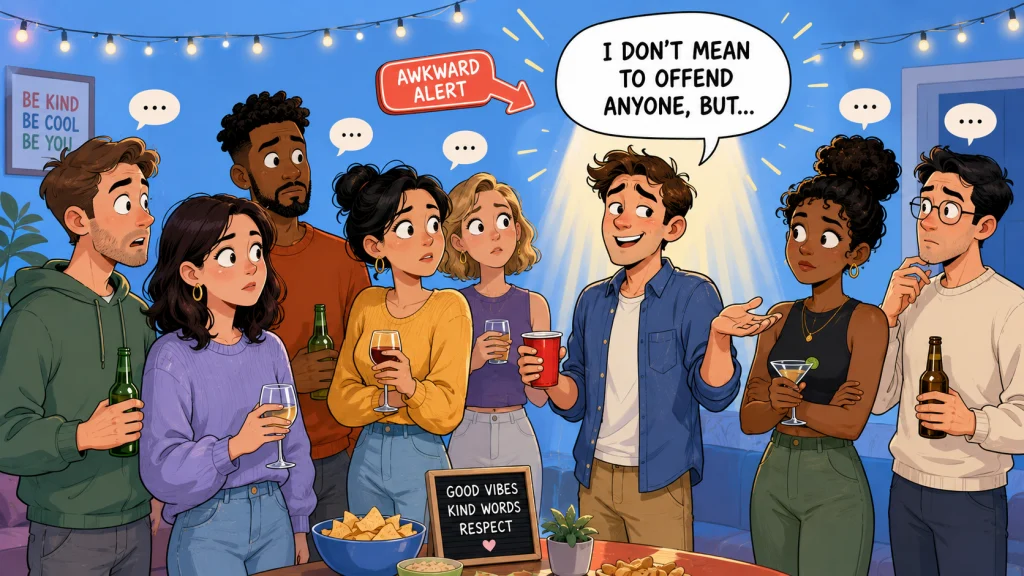
Public-Setting Lines: Let the Rudeness Expose Itself
When someone makes fun of your looks with an audience, the audience is both the risk and the advantage. They’re the risk because you’re now on display. They’re the advantage because so is the person who just said something. A public insult is a riskier move than a private one, and most people who throw them are betting you’ll freeze. If you don’t, the room tends to notice whose behavior was the problem.
The right line in a public setting isn’t the funniest one or the most savage one. It’s the one that makes the rudeness visible without you looking like you’re starting something. Point at what happened. Let the room do the rest. These work in offices, classrooms, restaurants, parties, anywhere there are witnesses.
- “Say that a little louder. I want to make sure everyone heard it.”
- “Wow. In front of everyone?”
- “That’s the kind of thing people say when they want attention. Got it.”
- “I’ll give you a moment to decide if that was worth saying.”
- “Bold choice in front of people.”
- “I genuinely hope someone who cares about you saw that.”
- “Everyone’s very quiet right now. Wonder why.”
- “Okay. We can all sit with that.”
- “Is that really what you wanted to lead with today?”
- “You picked now for this. Interesting.”
“Everyone’s very quiet right now. Wonder why.” works because it makes the silence in the room do the heavy lifting. You don’t have to declare that they were out of line. You just name what’s already hanging in the air. “I genuinely hope someone who cares about you saw that” is a different kind of effective: it shifts the framing from what they said about you to what their behavior says about them, and it does it with something that sounds almost like concern. That’s a harder thing to respond to than anything angry.
Friend-Group Replies: Sharp Without Detonating the Room
Insults from people in your own circle land differently because the relationship is ongoing. You don’t necessarily want to end the evening. You don’t want a lecture or a group-therapy moment in the middle of someone’s kitchen. You want to make it clear that the comment didn’t sit right, without triggering a whole thing. These lines are for that specific gap: pointed enough to register, contained enough not to blow up the dynamic.
Tone matters more here than anywhere else. The same line can read as sharp banter or as a genuine warning shot depending entirely on delivery. I’ve watched people use solid lines and still lose the room because they let too much heat into their voice. If you want sharp without furious, keep it level. The words carry the weight. You don’t have to add any.
- “Funny. Do that one again.”
- “Ah, so we’re doing that now. Got it.”
- “You’ve been sitting on that one?”
- “That’s the energy you’re bringing today.”
- “I expected more from you, honestly.”
- “Are we roasting each other now, or just me?”
- “You know I can give this back, right?”
- “Cool. Save the rest for when I care.”
- “We’re going to pretend that was funny?”
- “I thought we were friends. Now I have notes.”
“Are we roasting each other now, or just me?” is worth keeping in your back pocket specifically because it invites the group to weigh in without you having to make a direct accusation. It reframes the moment from “you said something mean” to “let’s look at what’s actually happening here.” The original comment tends not to survive that reframe particularly well.
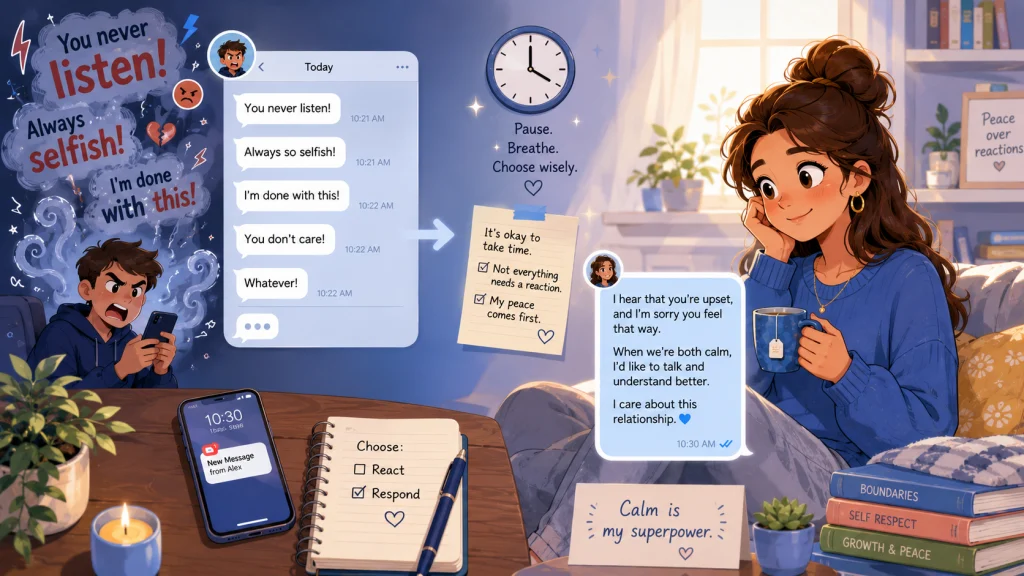
Text Replies: Screenshot-Safe Appearance Insult Comebacks
When the insult arrives in a message, you have something you don’t have in person: time. You can take a breath. You can choose what you want to say, or decide you don’t want to say anything at all. That advantage is worth using. What to say when someone mocks your appearance over text is a slightly different calculation than in person, because tone doesn’t carry in writing. Something that sounds dry and unbothered spoken out loud can read as wounded or aggressive on a screen. These replies are built to land the way they’re meant to.
The other thing about text is that it can be screenshotted, forwarded, or read by someone who wasn’t part of the original exchange. These lines are clean. Nothing in here that would look worse for you than for them if it ends up somewhere else.
- “Wow. You thought about me enough to type that out.”
- “I’m choosing not to have this conversation in text.”
- “Spent time writing that. About my face. Okay.”
- “Delete this app and find a hobby.”
- “Genuinely curious what you wanted me to say back.”
- “This made it out of your drafts?”
- “Cool. Blocked.”
- “That’s a weird thing to type to another person.”
- “I’m going to pretend this didn’t send.”
- “Not sure what reaction you were going for, but this isn’t it.”
“That’s a weird thing to type to another person” is mild on the surface but genuinely effective because it doesn’t touch the insult at all. It makes their choice the topic, not your face. They were hoping to make you feel bad about something you look like. You’ve made the conversation about their judgment instead. That redirection is the whole move.

Exit Lines: When the Person Wants Cruelty, Not Banter
There’s a difference between someone who made a bad joke and someone whose intent is to make you feel genuinely small. With the second type, the goal isn’t a clever comeback. The goal is to leave without giving them what they came for. Exit lines are not weak. In a lot of cases, they’re the strongest thing you can do, because staying in the conversation gives the other person something to work with. Leaving takes it away.
If the intent is harm rather than a moment of bad taste, disengagement is a real option and it isn’t the same as losing. There’s a fuller look at that line and how to read the difference in how to respond when someone insults you. For the moments when you want to say something on the way out, these are built for that.
- “I’m going to walk away before this gets embarrassing for both of us.”
- “We’re done here.”
- “I’m not doing this with you.”
- “I’m not spending more breath on this.”
- “Good talk. I’m leaving.”
- “I don’t argue with people who insult me. Goodbye.”
- “I’ll come back when you have something real to say.”
- “Take care.”
“I don’t argue with people who insult me” is the cleanest one here because it sounds like a policy, not a wound. It’s not personal and it’s not reactive. You’ve simply stated a rule you live by, and you’re applying it. That’s a much harder thing to mock than a comeback that sounds like it came from somewhere hurt.
What Not to Say, and Why People Say It Anyway
The most common mistake people make with appearance insult comebacks is the counter-insult. Someone says something about your face, you say something about theirs. It feels like the natural move. The problem is that the moment you do it, you’ve turned your looks into a competition where both sides are now being judged, and you’ve confirmed that the original comment got to you enough to make you mean back. That’s the reaction they were after. They got it.
The second most common mistake is explaining. “Actually, I’ve always had this. My doctor says it’s just the way my skin is.” You’re now defending your appearance to someone who just insulted it. You’re treating their opinion as something that deserves a rebuttal. The more you explain, the more the insult looks like it hit something that needed defending. For savage comebacks that preserve your dignity rather than trade it in, the key is refusing to engage with the premise of the insult at all.
| What people reach for | Why it backfires | What works instead |
|---|---|---|
| Insulting their looks back | Turns the exchange into a looks competition. Both sides lose composure and neither looks good. | Redirect to their behavior, not their face. |
| Explaining your appearance | Signals the insult landed and needed defending. Treats their opinion as something with authority. | Refuse to engage with the premise. “Okay.” ends the conversation faster. |
| Laughing along when it hurts | Invites more. Signals the comment is safe to repeat with this person. | “That’s not as funny as you think” is flat, dry, and closes the door. |
| A long, constructed response | Suggests you’ve thought about it too much. Works against the appearance of composure. | Shorter almost always wins. One sentence beats a paragraph every time. |
Laughing along is the one that trips people most often, and it’s worth saying something about it without judgment. People do it because silence feels worse and the real comeback doesn’t arrive in time. If that’s happened to you, that’s not a failure. Freezing is the most normal thing in the world. These lines exist for exactly that reason: so next time, you already have somewhere to go.
If the comment moves from your general appearance into something specific about your body size, shape, or weight, that’s a different kind of insult with its own dynamics. The replies for that situation are in body shaming clapbacks, where the lines are built for the specific weight of those comments rather than appearance mocking in general.
Final Thoughts: The Reaction Is the Thing They Came For
Every line in here is built around the same idea. The person who commented on your looks was looking for something visible: a flinch, a flush, a reply that proved the comment landed somewhere real. The most disorienting thing you can give them is something that doesn’t look like any of those things. Flat. Dry. Done.
Nine years behind a bar watching people navigate exactly this kind of moment taught me that the person who walks away looking composed isn’t necessarily the one who said the cleverest thing. They’re the one who didn’t let the other person set the terms. That’s a harder thing to teach than a specific line, but the lines are how you practice it until it becomes the thing you reach for without thinking.
Take what fits your voice and leave the rest. The only one worth using is the one that sounds like you, not like someone running a script. A good comeback doesn’t fix a dynamic or change a person or make someone regret who they are. What it can do, when it lands right, is buy back a beat of composure in a moment that would otherwise leave you stammering on the way home. That’s not nothing.
FAQs
😶 What do you say when someone makes fun of your looks in public?
Keep it short and let the room do the work. “Everyone’s very quiet right now. Wonder why.” names what’s already happening without you having to make a speech about it. Composure beats cleverness in a public setting almost every time.
🙄 Is it better to ignore an appearance insult or respond?
Depends on the intent behind it. If the person is being genuinely cruel rather than making a bad joke, not responding is a real option and it isn’t weak. If you want to say something back, the best replies don’t engage with the insult itself. Redirect or dismiss. Either way, don’t explain your appearance.
💬 What’s a good comeback when a friend makes fun of how you look?
“Are we roasting each other now, or just me?” works well because it reframes the moment without turning it into a confrontation. Tone matters more than the words here. Keep your voice level and the same line reads completely differently than if you let the heat in.
📱 What should I text back when someone insults my appearance?
Something that questions the behavior rather than the content. “That’s a weird thing to type to another person” doesn’t touch the insult at all. It makes their choice the subject of the conversation, not your face. Clean, screenshot-safe, and genuinely unbothered in tone.
🚪 When is walking away the right move?
Whenever you decide it is. Especially when the person is looking to make you feel small rather than to have a conversation. Walking away isn’t losing. It’s refusing to give them the reaction they came for. “I don’t argue with people who insult me” works well on the way out if you want something to leave with.
❌ Why shouldn’t I insult their looks back?
Because it turns the exchange into a looks competition and confirms the original comment got under your skin. The moment you respond in kind, both of you are being judged, and the person who started it has already gotten more than they deserve. Redirecting to their behavior hits harder and costs you less.
🤐 What if I freeze and can’t think of anything to say?
That’s the most normal thing there is. Freezing happens to everyone. If the moment has passed, it has passed. The point of having these lines ready is not to win a fight that already ended. It’s to have somewhere to go the next time it happens.