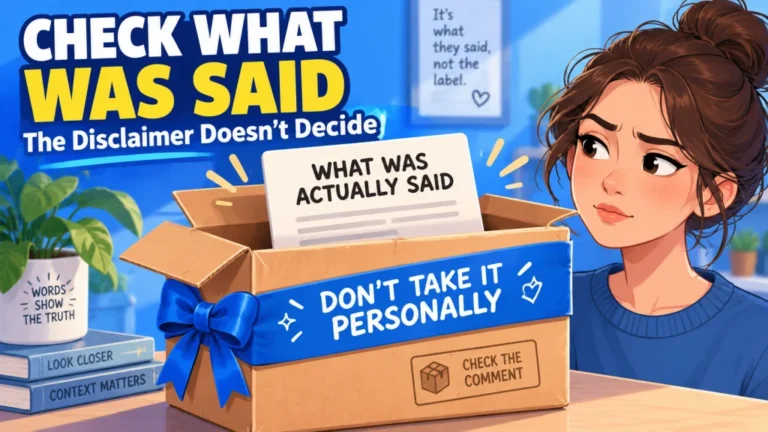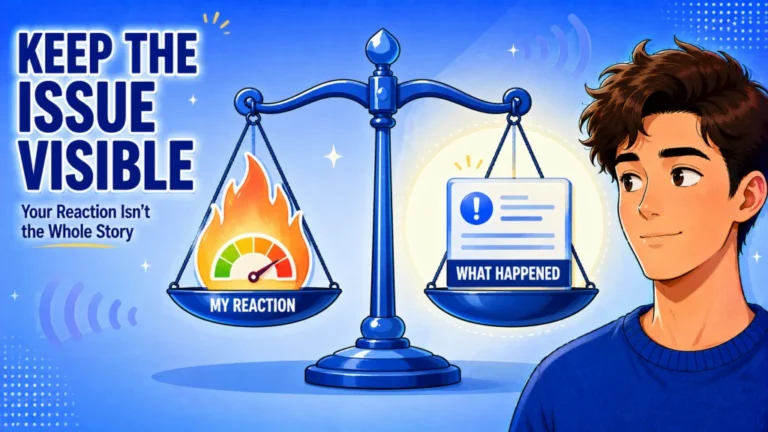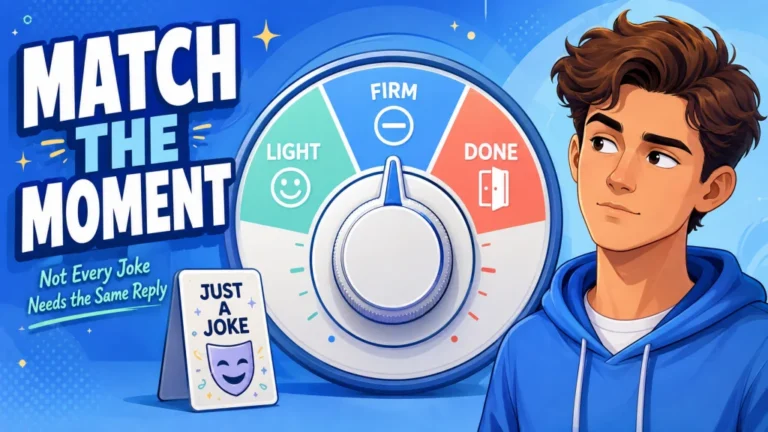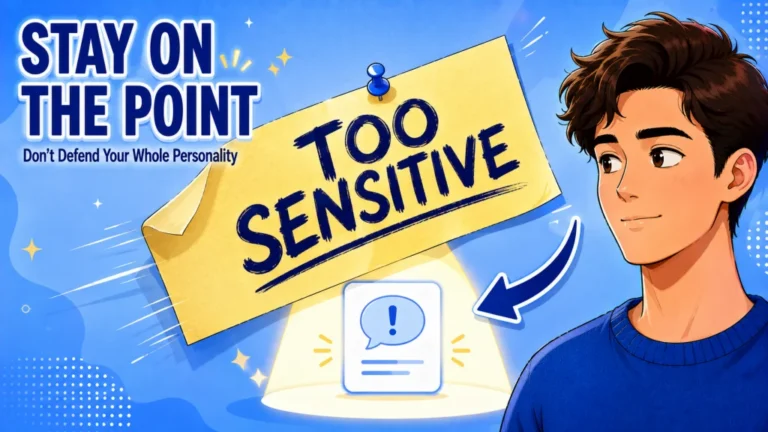
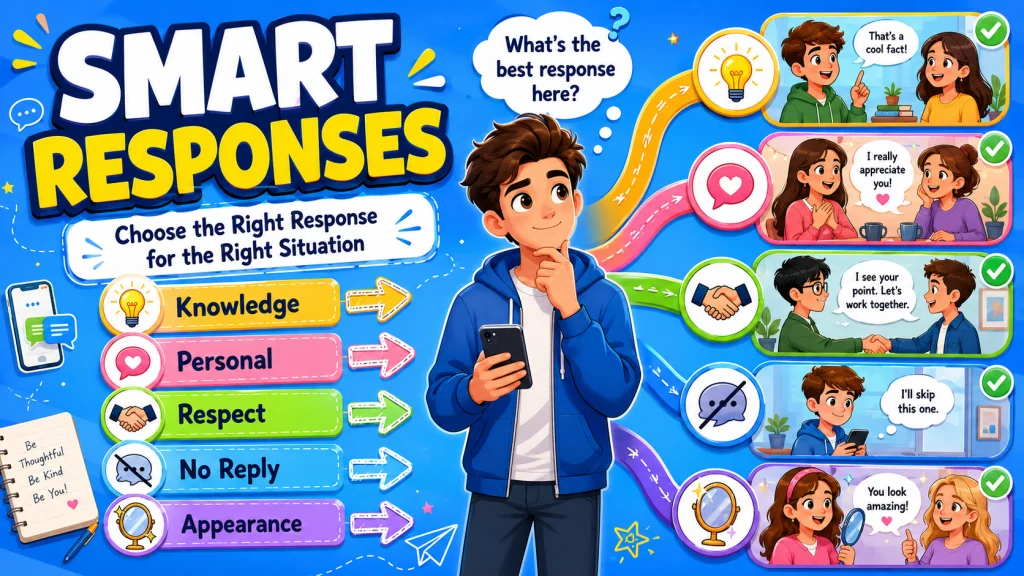
Being insulted and knowing what to say back are two different problems. The first happens to you. The second depends on what was targeted, who did it, and what you still need from the situation after the exchange is over. Insult comebacks are not interchangeable: the right line for someone who called you stupid is not the right line for someone who made a comment about your body or talked over you like you were not worth waiting for. This page helps you identify which type of insult you are dealing with and routes you to the lines that actually fit it.
Why the Same Reply Does Not Work for Every Insult
Everyone has done the thing where you pull out a comeback that worked perfectly in one situation and watch it land completely flat in another. The line itself was fine. The situation was wrong. The relationship was different, the stakes were different, and the insult you were responding to was doing something different than the one where the line had worked before. That mismatch is the most common reason a perfectly good comeback makes things worse instead of better.
I spent nine years behind a bar watching people navigate this in real time. The pattern I saw most often was not that people lacked the right words. It was that they reached for the sharpest thing they had regardless of what the moment actually called for. Sharp worked sometimes, spectacularly. Other times it escalated a low-stakes comment into something neither person wanted, or it let the insult define the whole exchange by making the comeback the thing everyone remembered instead of the original point. The fix is not finding a better sharp line. It is matching the response to what was actually said and who said it.
There is also the question of what an insult is doing in the conversation. Some comments are straightforward attacks. Others are tests, delivered to see whether you will react or go quiet. Some are meant to close a conversation by dismissing you before you can say anything back. A few are status plays that only land if you take the bait. And occasionally what reads as an insult is actually clumsy banter or a joke with poor calibration. All of these call for different responses, and figuring out which one you are dealing with is the first step before reaching for a line.
The Quick Decision Before You Pick a Line
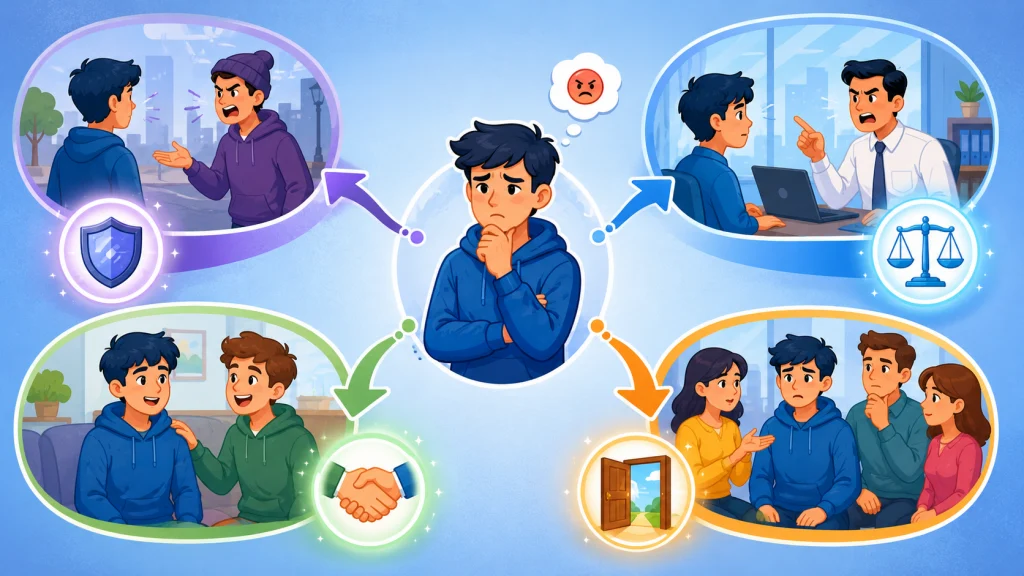
Before choosing a response, two things matter more than the line itself. The first is the relationship. The same comment hits differently coming from a stranger, a coworker, a friend who does not realize they have crossed a line, and someone who does realize it and said it anyway. The relationship determines how much you want on the other side of the exchange, whether that is a repair, an acknowledgment, or just to make something clear and leave it there.
The second is what the insult is actually targeting. A comment that goes after your intelligence is built differently than one that goes after your body, your status, or how you look. Each type is designed to land a specific way and expects a specific response, which is exactly why picking a line from the wrong category tends to miss. The sections on this page are sorted by what was targeted, because that is the most direct route to finding what fits.
A few things worth getting clear before you go looking for the line:
- Do you need to keep a relationship with this person, or is this a one-time interaction?
- Is this happening in front of other people, and does their read of the exchange matter?
- Is this a single comment or part of a pattern that has been repeating for a while?
- Do you want to respond in the moment, or after the fact when you have had time to think?
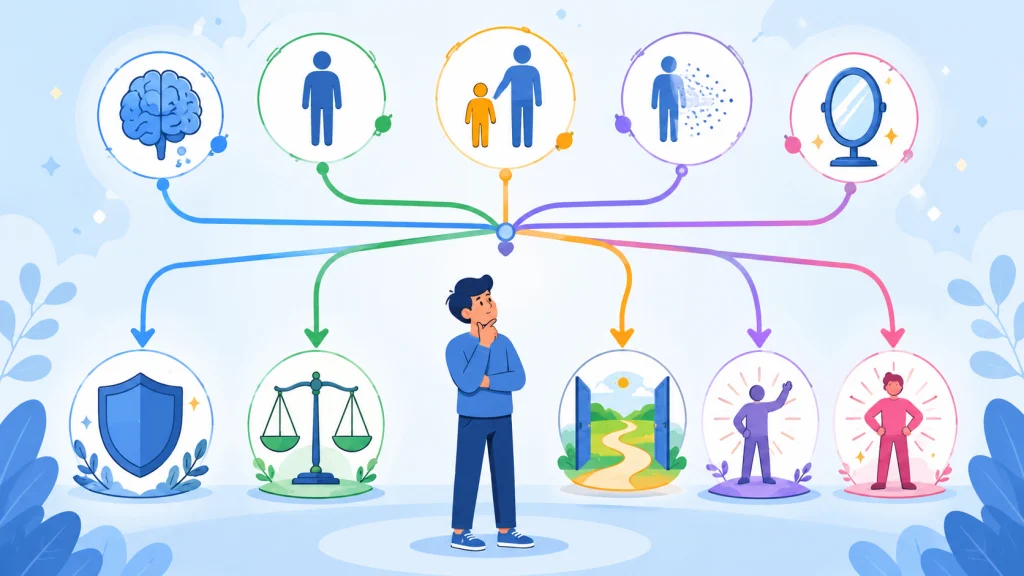
Those answers shape which lines will actually land. The quick table below sorts by insult type. If you already know what was targeted, click through to the right section. If you are not sure, the descriptions further down explain what makes each type distinct and why it calls for its own set of responses.
| What the insult targeted | Go here |
|---|---|
| Your intelligence or how much you know | Comebacks when someone calls you stupid |
| Your body, weight, or physical attributes | Body shaming clapbacks |
| Your competence, status, or right to have a point of view | How to respond to someone who talks down to you |
| Your presence, by cutting you out or not responding | Comebacks for someone who ignores you |
| How you look, your style, or your features | Comebacks when someone makes fun of your looks |
When Someone Calls You Stupid or Questions Your Intelligence
Intelligence insults are built to reframe the entire conversation. If the other person can get you to defend how smart you are, you have already stepped out of whatever you were originally discussing and into a proof-of-worth exercise instead. That is the trap, and it does not matter whether the comment was blunt or softened, because the purpose is the same: knock your credibility before you can say anything back.
The direct version is easy to recognize. The softer version is the one that catches people off guard, because it comes wrapped in something that sounds almost reasonable.
“You might want to read more about this before you form an opinion.”
That sentence is an intelligence insult. It just has enough plausible deniability to make calling it out feel like overreaction. The lines in comebacks when someone calls you stupid cover both the direct and the veiled version, and they are built around one principle: do not defend your credentials. That is exactly what the comment was fishing for, and taking the bait shifts the conversation into territory the other person already set up to win.
When Someone Makes a Comment About Your Body
Body-based insults occupy different territory than most other kinds of comments, because they are not targeting something you said or did. They are targeting something you are. That distinction changes what kind of response lands, because the usual tactic of redirecting the conversation back to facts or arguments does not apply when the comment was never about your argument in the first place.
Body comments also come in a wider range of deliveries than people expect. The blunt version is the one most people can identify on contact. The harder version is the one disguised as concern: “Are you eating enough? You look tired.” or “I just worry about you.” These are still body comments. They carry the same weight. The social stakes tend to be higher when they happen in a group setting, because everyone present heard it and everyone present is watching to see what happens next, which is often part of the point.
The body shaming clapbacks section covers both the direct version and the concern-disguised version, with lines sorted by how public the situation was and how clearly you want to name what just happened. If what you are dealing with feels threatening, controlling, or unsafe, it needs more than a comeback.

When Someone Talks Down to You
Condescension is the slipperiest insult type on this page, because the person delivering it almost always has a line ready to explain why it was not condescension at all. The words are technically fine. The tone, the timing, and the pattern underneath are what make it what it is, and those three things are harder to point to in the moment without sounding like you are reading into something innocent.
The thing that makes condescension distinct from a direct insult is the performance of patience. It is not “you’re wrong.” It is “let me explain this to you” when no explanation was requested. It is “I thought you might not have seen this research” when you clearly had. It performs a kind of charitable tolerance that is actually the thing doing the damage, because it positions you as someone whose gaps are being generously overlooked rather than someone with a legitimate point of view. Trying to call that out directly often sounds defensive, which is the catch built into the delivery.
“I’m just trying to make sure you understand the full picture.”
That is condescension in its most polished form. How to respond to someone who talks down to you sorts the lines by relationship and setting, because talking down in a professional context and talking down inside a friendship look different and need different registers to address.
When Someone Ignores You on Purpose
Being deliberately ignored is an insult without words, which makes it the hardest type on this page to respond to. There is no comment to fire back at. There is just an absence, and the person doing it can always claim coincidence, distraction, or a missed notification, even when you and everyone else involved know exactly what it is. The deniability is built into the move.
This covers a few related situations: being left on read when you know they saw it, being consistently passed over in a group conversation where everyone else got a response, being excluded from a message thread or reply chain without explanation, and the specific social move of being talked around in a group setting as if you were not there. What these have in common is that they are designed to communicate your presence does not register, without ever giving you anything direct to push back against.
The trap here is responding in a way that hands that dynamic back to them. A response that reads as desperate, hurt, or too eager to know why confirms the silence is working. Comebacks for someone who ignores you are built around that constraint: saying something back without making it obvious the silence got to you more than they deserve.

When Someone Makes Fun of How You Look
Appearance mockery and body shaming sit next to each other but are not the same insult. Body shaming targets your body itself as an attribute, your size, your weight, your shape. Appearance mockery targets everything else: your hair, your features, your style, the way you put yourself together. The two can overlap, but a comment about your outfit and a comment about your weight are doing different things and call for different responses. Knowing which one you got matters before you go looking for the right response.
Appearance mockery is also more likely than other insult types to arrive dressed as a joke. “I’m just messing with you” or “Can’t you take a joke?” is the usual cover, and it creates a specific problem: calling it out risks looking like you cannot take light teasing, but laughing along can feel like you have agreed with the assessment. The right line does neither, and it is a narrower target than it sounds in theory.
There is almost always an audience when someone goes after how you look, because comments about appearance tend to be made with people watching. The lines in comebacks when someone makes fun of your looks account for that, with options built around the fact that the room heard the comment and is watching to see what you do with it next.
Why Getting the Type Right Matters
The sorting this page does is intentional, because insults are not interchangeable and treating them that way is one of the main reasons the wrong line gets used in the wrong moment. Someone who calls you stupid in front of your colleagues needs a different response than someone who makes a quiet comment about your weight one-on-one. Someone who ignores you needs a different kind of answer than someone who talks over you. Getting the category right is not a preliminary step. It is most of the work.
None of the lines in any section here are universal. They are options built for specific situations, and the context you bring to them is what decides whether they land. A good line, delivered wrong, in the wrong relationship, with the wrong stakes attached, can make things worse than saying nothing at all. That is true across every type of insult on this page, and it is worth sitting with for a moment before reaching for the sharpest thing available.
If what you are dealing with is consistent and deliberate, the kind of thing that stops feeling like individual moments and starts feeling like a pattern, the savage comebacks section covers the sharper end of that territory, for situations where a careful correction is no longer what the moment is asking for.
Find the Right Lines for Your Situation
Each linked section goes deep on one specific insult type. The lines are sorted by tone, setting, and what you are trying to accomplish with the response, because those three factors change which option actually fits. If the table above sent you somewhere that did not match, use the descriptions here and pick the closest one. The goal is not the cleverest comeback. It is the one that does what you need it to do in the room you are actually in.
| What you’re dealing with | What’s in there |
|---|---|
| Comebacks when someone calls you stupid | Lines for direct and veiled intelligence attacks, built to answer the implication without defending your credentials |
| Body shaming clapbacks | Responses to body-based comments in private and public situations, including the concern-disguised version |
| How to respond to someone who talks down to you | Lines for condescension and status plays sorted by relationship and setting, for when the plausible deniability is the problem |
| Comebacks for someone who ignores you | Responses to deliberate silence and exclusion that do not hand the dynamic back to the person who created it |
| Comebacks when someone makes fun of your looks | Lines for appearance mockery and the “just joking” frame, built with the audience in the room in mind |
FAQs
💬 What’s the best thing to say when someone insults you?
It depends on what they targeted. A line that works for an intelligence jab does not work for a body comment. Use the table above to find the section that fits the type of insult you got, then pick from there based on how much you want to engage.
😤 Should you respond to an insult or ignore it?
It depends on the relationship and who else is present. Ignoring works when there is no audience and the person is not worth the exchange. When other people are watching or when going quiet would read as agreement, saying something back is usually the better move.
🤔 What is the difference between body shaming and making fun of someone’s looks?
Body shaming targets your body itself: weight, size, shape. Making fun of your looks is broader and covers comments about your features, hair, style, and appearance. They overlap but are doing different things and need different responses.
😂 What do you say when someone insults you as a joke?
The “just joking” frame is built to make pushback look like oversensitivity. The best lines answer the comment without performing either hurt or humor. The appearance mockery and condescension sections both cover this specific delivery and the deniability that comes with it.
🧠 How do you respond when someone questions your intelligence?
Do not defend your credentials. That is exactly what the comment was trying to get you to do. The lines in the comebacks for being called stupid section are built to answer the implication without stepping into the debate the other person set up.
🔇 What counts as being deliberately ignored versus just not seeing a message?
Deliberate ignoring is usually a pattern, not a single miss. Read receipts, consistent exclusion from replies, or being talked around in a group setting are the clearest signs. If you genuinely cannot tell, the comebacks for someone who ignores you section covers responses that work either way.