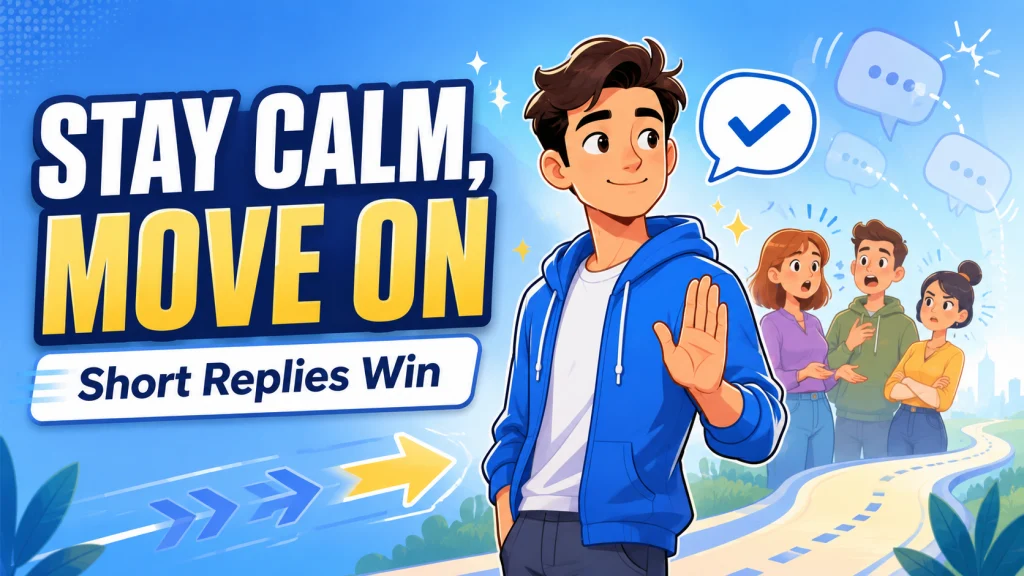
Someone just called you stupid, and the first instinct is to prove them wrong with a speech. That is the trap. I have watched it happen behind enough bars to know that the moment you start explaining yourself, you have already lost the room. What actually works is shorter, calmer, and a lot less defensive than people think. This is about comebacks when someone calls you stupid that land without making you sound rattled, whether you are texting back or standing in front of people.
Why proving them wrong is the wrong move
The second someone calls you stupid, your brain wants evidence. It wants to list every smart thing you have ever done in the last ten years, right there, out loud, to a person who was never actually grading your intelligence in the first place. I have seen this exact thing happen at the bar more times than I can count: someone gets called stupid over something small, a wrong order, a bad guess, a slow reaction, and they respond with a three-minute defense of their entire character. Nobody in the room remembers the insult after that. They remember the meltdown.
That is the real gap most comeback lists miss. The insult itself is rarely the problem. The problem is that the second you treat it like a trial you have to win, you have accepted the premise that your intelligence is actually on the table for debate. It is not. A short reply that refuses to engage with the accusation does more damage to the insult than any clever rebuttal ever could, because it tells everyone watching that you never took the bait to begin with.

Short shutdowns that refuse the premise
The lines that work best here are the ones that do not bother arguing. They just close the door. I gave one to a regular years ago after a guy at his table called him stupid over a bet he lost, and the line did more work in four words than any comeback I have written since: “Cool story, anyway.” He did not raise his voice. He did not look rattled. He just moved on, and the table moved on with him because there was nothing left to react to.
Refusing the premise means you never confirm or deny the insult. You just make it clear the conversation is not happening on those terms. That is harder to do live than it sounds, because the urge to respond to the actual content of the insult is strong. But the strongest replies treat the insult like background noise instead of a real accusation worth answering.
- “Cool story, anyway.”
- “Noted. Moving on.”
- “That’s the best you had?”
- “Sure, whatever helps you sleep.”
- “Okay. And?”
- “Thanks for sharing.”
- “Interesting take. Next.”
- “Sure, Jan.”
- “Duly noted, anyway.”
- “Alright, if you say so.”
- “Cool. Anything else?”
- “Got it. Moving on now.”
- “Sure. Anyway.”
- “That’s one way to see it.”
None of these defend anything. That is the point. They sound like someone who heard the insult and simply was not interested in entering the debate it tried to start.
Calm savage lines that make them look small
Savage comebacks for stupid only work if they sound calm. The second your delivery sounds heated, the room reads it as defensive, even if the words themselves are sharp. I learned this the hard way watching two completely different people use almost the same line, word for word. One delivered it flat and unbothered, and it landed like a closing argument. The other delivered it loud and fast, and it read as someone losing control. Same sentence, opposite result.
The trick with calm savage replies is that they make the insult look cheap rather than making you look hurt. They do not attack the person’s character the way the original insult tried to attack yours. They just point out, quietly, that the comment did not cost anything to say and did not land the way it was supposed to.
- “Big talk for someone who needed three tries to say it right.”
- “You really thought about that one, huh.”
- “That took effort. Shame it didn’t land.”
- “Almost clever. Almost.”
- “You’ll get it eventually.”
- “Bold of you to lead with that.”
- “That’s a swing. Not a hit, but a swing.”
- “I’ll let that one slide. Could’ve been worse, for you.”
- “Cute attempt.”
- “Practice and you’ll get there.”
- “Bless your heart for trying.”
- “You really sat there and typed that out.”
- “That’s the best angle you found?”
- “Slow clap. Really.”
Say any of these flat, without raising your voice, and the insult stops being about you. It starts being about the effort it took someone to come up with something that weak.

Public room replies that let the room hear the gap
An insult in front of other people works differently than one sent privately, mostly because everyone watching is deciding who comes out of it looking worse before the next sentence even lands. I have watched this play out in loud rooms enough times to know the crowd decides fast, usually within the first three seconds after the comeback lands. If you go quiet or you go long, the people around you tend to side with whoever threw the first line, simply because you let the silence or the rambling do the talking.
What works in a group is a reply that gives everyone something to react to without dragging the moment out. You are not trying to win an argument with one person anymore. You are giving the rest of the table permission to laugh at the insult instead of at you.
“Wow, didn’t know we were doing a roast tonight. Bold opener though.”
- “Careful, you’re peaking early in this conversation.”
- “That’s a confident thing to say out loud.”
- “Someone give this person a mic.”
- “Bold move, calling that one out loud.”
- “Didn’t realize tonight had a roast portion.”
- “Wow. Anyone else want to try?”
- “Okay, comedian. What else you got?”
- “That was brave. Not smart, but brave.”
Lines like these reframe the insult as a bit, something everyone can laugh along with, rather than something you are defending against. They cost you nothing and give the other person nowhere comfortable to go next.
Text replies when someone calls you stupid over a message
Texting gives you time to think, which sounds like an advantage until you watch what people do with that time. They overwrite. I have read messages people typed and deleted four or five times before sending something that ended up three paragraphs long, all of it circling back to “I am not stupid” in different phrasing. By the time that message lands, the other person has already moved on mentally, and now you look like the one who could not let it go.
Text replies when someone calls you stupid should do less, not more. A short reply lands within seconds and gives the other person nothing to keep arguing with. A long one hands them a paragraph to pick apart, line by line, while you sit there waiting for a response that probably will not come for hours.
- “That’s a take.”
- “Mhm, sure.”
- “Okay, professor.”
- “Wow. Devastating.”
- “Noted, thanks.”
- “That’s certainly an opinion.”
- “Cool, I’ll cherish that.”
- “K.”
- “Sure thing, genius.”
- “Appreciate the input.”
- “Wow, didn’t ask, but go off.”
- “That’s wild coming from you.”
- “Solid effort, 2 out of 10.”
- “Noted. Carry on.”
Each of these takes a few seconds to send and ends the back and forth right where it started, which is usually exactly where you want the conversation to land.
If it is a friend joking badly
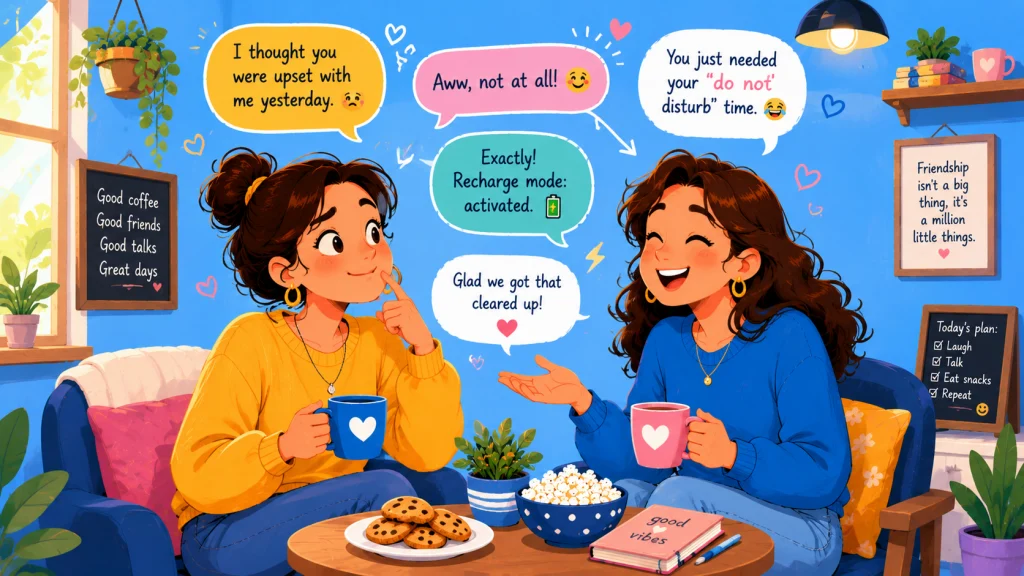
Not every “you’re so stupid” is an attack. Sometimes it is a friend’s joke that landed worse than they meant it to, and the comeback that works here is not the same as the one you would use on someone trying to actually cut you down. I have watched friendships nearly get dented over a joke that was never meant to sting, simply because the person on the receiving end responded like it was a real insult and the friend doubled down out of confusion instead of backing off.
The move here is to correct the tone without escalating it into a real conflict. You are not trying to win anything. You are just telling them, lightly, that the joke missed.
- “Okay, that one actually stung a little, dial it back.”
- “Rude. Accurate, but rude.”
- “Try that again with better delivery.”
- “Wow, no notes on that one. Harsh though.”
- “I’ll let it go, this time.”
- “Cute joke. Wrong target.”
- “Careful, you’re getting too comfortable.”
- “You’re lucky I love you.”
- “That landed weird, try again.”
Said with a laugh in your voice, lines like these let a friend know where the line is without turning a bad joke into an actual fight.
What not to say
The biggest mistake I see, by far, is the essay. Someone gets called stupid and responds with a full self-defense, sometimes citing their job, their degree, their grades from a decade ago, anything to prove the insult wrong with evidence. It never works, because intelligence was never actually what was being measured in that moment. The other person was testing whether they could get a reaction, and a long explanation hands them exactly that.
The second mistake is reaching for an insult that makes you look just as childish as the one that started it. Calling someone ugly, broke, or pathetic back might feel satisfying for about five seconds, but it puts you on the same level as the original comment instead of above it. The goal with any of these savage comebacks for rude people is to sound like you barely had to think, not like you went digging for the cruelest thing available.
| What people send | What it actually does |
|---|---|
| A long explanation of why you’re smart | Confirms you took the insult seriously |
| An equally childish insult back | Puts you on their level instead of above it |
| Going silent, then sending a frustrated reply later | Reads as you stewing on it for hours |
| A short, calm line | Closes the moment without giving them anything to work with |
Once you see the pattern laid out like that, it is easier to catch yourself before sending the version that gives the insult more weight than it ever deserved.
Closing thoughts
None of this is about having a perfect line ready every single time. I still freeze sometimes, even after nine years of watching these exact moments play out from behind a bar. What changes with practice is not the speed of your wit, it is the instinct to stop treating the insult like a question you owe an answer to. The shorter your reply, the less power the original comment ever gets to hold.
If this kind of moment keeps showing up in different forms, whether it is someone talking down to you in conversation or insulting you outright, the pattern underneath is usually the same: someone trying to get a reaction bigger than the comment deserved. Once you can spot that pattern, the reply almost writes itself. For more on handling insults in general, there is a broader breakdown of what to say when someone insults you that covers the wider range of situations this one sits inside.
FAQs
💬 What do you say when someone calls you stupid?
Keep it short and refuse to argue the point. Something like “cool story, anyway” closes the moment without giving them anything to push back on.
😏 What is a savage comeback for being called stupid?
Anything that points out the effort behind the insult rather than defending yourself works well, like “that took effort, shame it didn’t land.” Say it flat, not loud.
📱 How do you respond to being called stupid over text?
Send something short within seconds. A long explanation gives them a paragraph to pick apart. A short line like “okay, professor” gives them nothing to work with.
🙄 Why does explaining yourself make it worse?
It confirms the insult got to you and turns a throwaway comment into a debate you are now expected to win. Silence on the topic does more damage than any defense.
😄 What if a friend calls me stupid as a joke?
Correct the tone lightly instead of treating it like a real insult. Something like “rude, accurate, but rude” tells them where the line is without starting a fight.