Being called a loser can bait you into proving your job, money, friends, relationships, or plans are impressive enough to count as a win. The cleaner move is to refuse that frame before you choose whether to joke, call out the cheap name-calling, or leave the exchange. I keep these replies short because a broad label does not deserve a résumé in return. You will leave with lines for low-stakes teasing, public digs, direct arguments, and the moments when saying less is the stronger choice.
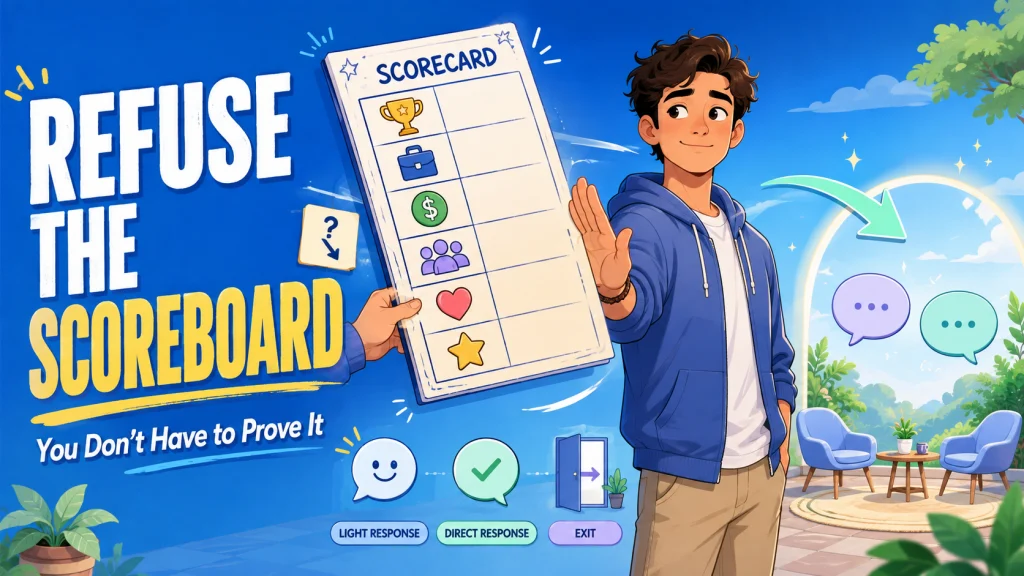
A big label with almost nothing behind it
“Loser” is a strangely large accusation for a word that usually arrives with zero evidence attached. If you are looking up how to respond when someone calls you a loser, start by resisting the urge to defend your entire life. The insult only gets to grade you if you agree to use the other person’s scorecard. Your first job is not to prove you are winning, it is to decide whether this person deserves a joke, a boundary, or no more conversation.
I learned to watch for that trap behind a bar, where people regularly froze after one rude sentence and then tried to answer every implication inside it. Regulars also handed me their phones and asked what to send back, and the same pattern kept showing up in text: the longer the defense, the more power the insult seemed to get. A useful reply narrows the moment instead of expanding it into a trial about your worth. If you want a broader set of ways to handle insults without accepting the other person’s framing, these replies to common insults cover that wider territory.
| If the moment feels like this | Try this lane |
|---|---|
| Low-stakes teasing | Use one light joke and keep moving. |
| Public name-calling | Make the cheapness of the label visible. |
| Status comparison | Reject the scoreboard instead of listing achievements. |
| Repeated baiting | Use an exit line or stop engaging. |
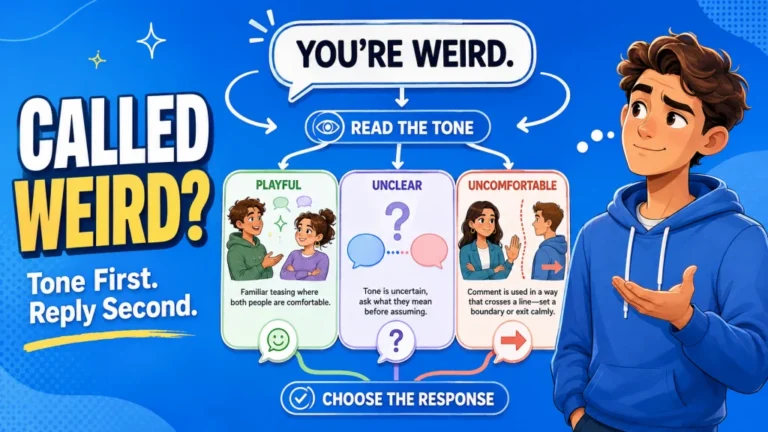
The important part is matching the line to the room. A sentence that sounds funny between friends can sound brittle in a real argument, and a calm boundary can feel comically heavy during obvious banter. Context does not make the insult acceptable or unacceptable for you, but it does change which reply will sound natural. Once you know the lane, the words get much easier.
Quick comebacks when someone calls you a loser
The fastest replies work because they do not volunteer a defense. You are not explaining your career, social life, bank account, or plans, and you are not asking the speaker to approve a different version of you. A short line can acknowledge that you heard the insult without acting as if the label needs a hearing. Use these when you want the moment over before it grows legs.
- “That’s a very dramatic label.”
- “Not taking applications for judges.”
- “You can keep that opinion.”
- “That’s your scoreboard, not mine.”
- “Big verdict. Tiny evidence.”
- “I think I’ll survive the review.”
- “You seem very invested in this.”
- “Noted. Anyway.”
Most people overthink this part because they want a comeback that proves the insult false. That is how four words turn into a speech, and speeches make the name-caller look more important than they are. Pick one line you could actually say without rehearsing a facial expression in the mirror. The best quick comeback is usually the one that leaves no obvious opening for a second round.
For example, imagine someone drops “loser” into a direct argument after they run out of anything specific to say. “Big verdict. Tiny evidence” does not claim you are secretly successful, admired, or better than them. It simply points at how oversized the label is compared with what they actually said. Then you can either return to the real issue or end the exchange.

Funny replies when the insult is low-stakes
Funny works best when the room already has some air in it. If the person is clearly teasing, or you genuinely do not care enough to make the insult serious, a small joke can make the label feel ridiculous without turning the exchange into a roast battle. I would keep the joke aimed at the word or the situation, not at the other person’s income, looks, dating life, or social status. That keeps you out of the exact scoreboard you are trying to reject.
- “Do I get a certificate?”
- “Finally, a title I didn’t apply for.”
- “Please hold while I update my bio.”
- “Is there a trophy, or just the announcement?”
- “Bold of you to bring rankings into this.”
- “I’ll alert the committee.”
- “That sounds official. Was there paperwork?”
The joke should be lighter than the insult, not louder than it. If you deliver a twelve-part roast because someone tossed out one lazy word, you have accidentally made the moment more serious than they did. A dry line works because it treats “loser” like an absurd administrative decision rather than a meaningful verdict. Say it once, then give the conversation somewhere else to go.
Picture a group chat where a friend calls you a loser because you skipped a plan everyone else wanted. “Do I get a certificate?” keeps the joke alive without explaining why your choice was correct. If the room laughs and moves on, good, the exchange stayed small. If the person keeps pressing, that tells you the moment has changed and a firmer line will fit better.
What to say when called a loser in front of other people
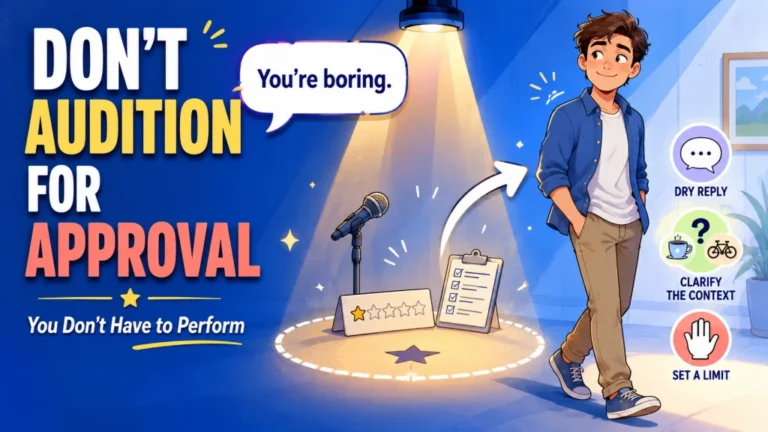
Public insults create a second problem because part of the pressure comes from the audience. The temptation is to perform a bigger insult so everyone can see you “won,” but that can drag you straight into a competition you never agreed to enter. A cleaner move is to make the name-calling itself look cheap. You are answering the behavior in the room, not auditioning for approval from the room.
- “We’re doing name-calling now?”
- “That’s what you brought to the table?”
- “You had an audience and chose that?”
- “If you have a point, make the point.”
- “Calling me names is not an argument.”
- “That’s a lot of confidence for one vague insult.”
Delivery matters more here than extra cleverness. A calm sentence with no follow-up can make the exchange feel finished, while a shouted line invites everyone to keep scoring the fight. I have watched rooms turn on a comeback simply because the speaker kept adding to it after the first sentence had already landed. Stop when the point is made.
For a mini example, say someone in a group throws out “You’re such a loser” after you disagree with them. “If you have a point, make the point” puts the conversation back on something specific without trying to impress anyone. It also gives the other person a choice: say what they actually mean or reveal that the name-calling was all they had. If the jab shifts from status to making you the punchline, these responses when someone calls you a joke fit that narrower insult better. You do not need to narrate that choice for the audience.

Responses to “you’re a loser” that reject the success scoreboard
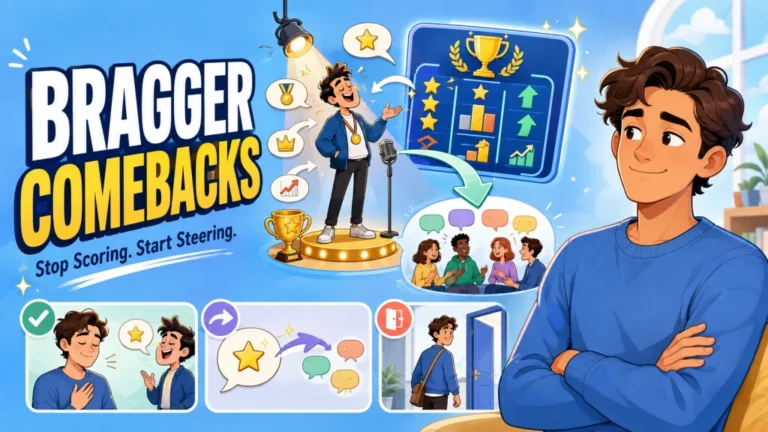
The most useful shift is refusing to argue about who counts as successful. “Loser” is broad enough that the speaker can quietly change the criteria whenever you answer, from money to dating to popularity to work to whatever comes next. If you start listing wins, you have accepted the premise that your life needs to pass their test. A better response leaves the test with the person who invented it.
- “I don’t use your definition of winning.”
- “We’re clearly measuring different things.”
- “You can rank me if you need a hobby.”
- “I don’t need to qualify for your leaderboard.”
- “Your scorecard is not my problem.”
- “I’m not presenting evidence for my own life.”
This is also where some so-called savage lines go wrong. They answer “loser” with “I make more than you,” “I date better people,” or “I have more friends,” which sounds sharp for half a second and then locks you into the same status contest. If you want sharper phrasing without turning the comeback into a personal résumé, my collection of savage comebacks for rude remarks stays focused on the line, the behavior, and the moment. The point is to cut the frame, not win inside it.
An online comment makes this especially obvious. If a stranger calls you a loser because of follower counts, hobbies, clothes, or some other visible metric, you do not have to counter with a better metric. “Your scorecard is not my problem” is enough if you want to reply at all. The internet can keep the leaderboard; you can keep your attention.
If a friend is roasting and the room is still friendly
Friends can use the exact same word with a completely different temperature. If the history between you says this is ordinary teasing and you are comfortable with it, you do not need a courtroom objection to a throwaway roast. Meet the size of the joke. A playful reply keeps the friendship rhythm intact without pretending every insult is harmless in every relationship.
- “Coming from my biggest fan.”
- “And yet you keep inviting me places.”
- “Terrible news for your taste in friends.”
- “You picked me, so think carefully.”
- “Please respect my brand.”
- “I prefer selectively victorious.”
The useful test is whether you still feel free to joke back, change the subject, or say “enough” without the room punishing you for it. If yes, the line can stay light. If the friend is using “just joking” as cover after you clearly want it to stop, switch lanes instead of searching for a funnier answer. A friendship does not require you to keep the bit alive.
Here is the friend-roast version in motion: you lose a harmless bet, your friend grins and calls you a loser, and you answer, “Terrible news for your taste in friends.” The reply folds them into the joke without attacking anything personal. Then the conversation moves on because neither person needed the word to mean more than the moment. That is very different from a friend repeatedly using the label to rank your life.

Exit lines when the person only wants a status fight
Some people are not asking for a better comeback, they are asking for another round. You can tell when every answer becomes fresh material for the same vague judgment and nothing specific is being discussed anymore. At that point, being clever is optional. An exit line works because it refuses to keep supplying the argument with oxygen.
- “We’re done with this conversation.”
- “You can have the last word.”
- “I’m not doing rankings with you.”
- “If that’s all you’ve got, I’m leaving it there.”
- “This stopped being a conversation.”
- “Say what you want. I’m done replying.”
Do not add a final insult after the exit line. That is the social equivalent of walking out, turning around, coming back through the door, and restarting the fight you just announced was over. The cleanest exit is boring by design. It gives the other person less to grab.
If the interaction feels threatening, abusive, or unsafe, you do not need a final line at all. Leaving, blocking, muting, or getting help from someone you trust can be the better choice, and there is no prize for staying available to someone who keeps escalating. SlyLines is useful when you have decided you want words, not when words would keep you in a situation you should leave. A comeback is an option, not an obligation.
What not to say when the insult is trying to grade your life
The biggest mistake is turning your reply into proof that you are a winner. It usually sounds like a list of achievements, income, followers, relationships, possessions, grades, job titles, or people who supposedly like you more. Even if every fact is true, the reply still accepts the insult’s basic premise: that your worth can be settled by a public scoreboard. You do not need to submit evidence just because somebody shouted a verdict.
- Do not list achievements to prove your status.
- Do not attack their income, job, housing, or possessions.
- Do not drag their relationship status into the exchange.
- Do not invent jealousy, insecurity, or hidden motives.
- Do not turn one lazy insult into a long speech.
People commonly reach for those answers because specificity feels like a defense against a vague attack. I understand the instinct, especially when a word like “loser” seems to smear across every part of your life at once. The better correction is smaller: answer only what was actually said and refuse the parts the speaker never earned the right to evaluate. Shorter is not weaker here; shorter is cleaner.
If someone says, “You’re a loser because nobody cares what you share,” you could launch into a long explanation about follower counts and friendships. Or you could say, “You care enough to keep checking,” and leave it there. The second response does not prove anything about your popularity. It only notices the contradiction sitting in front of you.

Final thoughts: reject the frame before you choose the line
“Loser” sounds specific because it is harsh, but it is usually one of the vaguest insults in the room. You do not have to turn it into a review of your life, and you do not need a bigger insult to cancel it out. Decide whether the moment is playful, public, argumentative, or simply repetitive, then answer at that size. A joke, a dry refusal, a callout, or an exit can all work when they match the context.
If you remember one thing, remember this: do not hand over your résumé. The other person does not get to invent a ranking system and then demand that you compete on it. Pick a line that sounds like something you would actually say, deliver it once, and let the conversation prove whether there is anything real underneath the label. If there is not, you already have your answer.
FAQs
The same word can land very differently depending on who said it, where it happened, and whether the exchange was playful or genuinely hostile. That is why I would not crown one universal comeback as the best response for every situation. The useful question is what kind of reply keeps you from defending a standard you never chose. These are the short answers to the questions that come up most often around that choice.
Keep the scale of the moment in mind as you read them. A friend joking after a board game does not need the same response as a stranger trying to embarrass you in front of a group. You are allowed to use humor, be direct, or say nothing at all. The line only has to fit the situation you are actually in.
💬 What is the best comeback when someone calls you a loser?
A good default is, “That’s your scoreboard, not mine.” It rejects the label without forcing you to prove anything about your life.
😏 Should I use a funny comeback if a friend calls me a loser?
If the friendship is clearly playful and you are comfortable with the joke, yes. Keep it light, such as, “Terrible news for your taste in friends.”
🧊 What should I say if someone calls me a loser in front of other people?
Try, “If you have a point, make the point.” It pulls the exchange away from public name-calling and back toward something specific.
🚪 Is ignoring someone who calls me a loser a weak response?
No. If the person only wants another reaction, not replying can end the exchange faster than a clever line.
📱 How do I respond to “you’re a loser” in an online comment?
You can keep it short with, “You seem very invested in this,” or simply not reply. Do not start proving your followers, friends, work, or achievements to a stranger.
Notice that none of these answers requires you to prove you are secretly winning by somebody else’s standard. That is intentional, because the broadness of the insult is the trap. Once you stop arguing about status, you can choose tone based on the relationship and the room. The comeback gets simpler because the job gets smaller.
I would rather give you one line you can actually say than twenty lines that require a performance. Read your favorite out loud once and notice whether it sounds like you. If it does, keep it. If it sounds like a stranger trying to win a comment section, cut it.