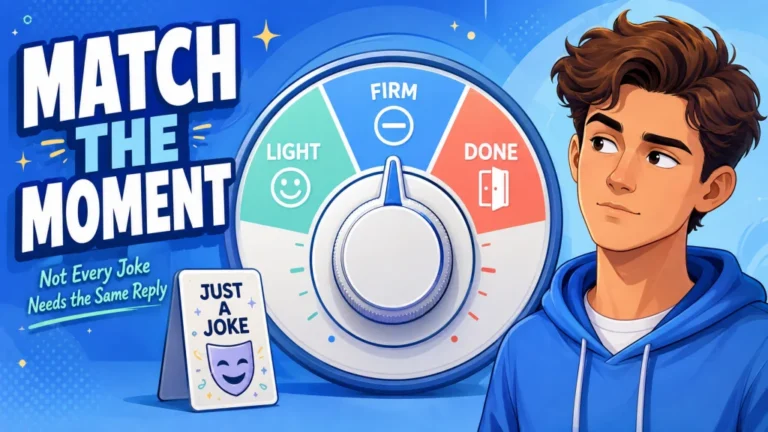
Double texting itself is not the problem. Someone caring enough to send a second message is normal, sometimes even nice. What is not normal is when that second text comes loaded with attitude, like you owe them a reply on their timeline. This collection sorts replies by how much pressure you are actually dealing with, from a playful deflection for someone who is just a little too online, to a flat boundary for someone who thinks your phone owes them a daily report. By the end you will know what to say to someone who double texts you depending on whether they are excited or entitled.
Why Double Texting With Anger Is Different From Just Double Texting
A second text on its own usually just means someone had another thought, or got excited, or forgot to mention something the first time. That is not what people are actually asking about when they want to know what to say to someone who double texts you. The real question shows up when the second text carries a tone, “wow okay” or “guess you’re busy” sent forty minutes after the first one went unanswered. That is not a follow-up. That is a demand dressed up as a message.
I spent nine years behind a bar watching phones light up with both versions, sometimes from the same person within the same week. The eager double text gets a laugh and a quick reply. The angry one gets a long pause while the person holding the phone tries to figure out if they actually did something wrong, or if they are just being billed for not replying inside someone else’s preferred window. That second feeling, the confusion about whether you owe an explanation for your own response time, is exactly what this is built to settle.
Light Deflections for When It’s Annoying, Not Mean
Some double texters are not entitled, they are just a lot. They send three texts about their day before you have replied to the first one, not because they are punishing your response time but because their brain works in bursts. These replies are not meant to shut anyone down. They are meant to gently name the pattern without making someone feel bad for being excited to talk to you.
The tone here stays warm. You are not setting a boundary yet, you are just teasing the obvious a little, which usually gets a laugh and a slightly slower text pace without anyone feeling told off.
- “You’re aware I can only read one text at a time, right?”
- “Give me a second, I’m still processing text number one.”
- “Okay, hold your thoughts, I’m catching up.”
- “My phone just buzzed three times in ten seconds and I respect the commitment.”
- “I see you’ve got a lot going on up there today.”
- “Noted, noted, and noted again.”
- “You really don’t believe in periods, huh.”
- “Three texts in, still no question mark. Bold strategy.”
- “I’m one text behind and somehow still keeping up.”
If the other person laughs at one of these and keeps doing it anyway, that is usually fine. Eagerness is not a crime, and most of these double texting comebacks are really just affectionate ribbing dressed up as a reply.
Boundary Texts That Answer the Pressure, Not Every Message
This is where the gap actually lives. You do not need a comeback for every text, you need one line that addresses the pressure itself instead of replying to each message separately like a court reporter. A boundary text says, plainly, that you are not going to be available on someone else’s schedule, without apologizing for having a life outside the conversation.
The mistake most people make here is over-explaining. They write three sentences justifying why they were busy, which only proves to the other person that the guilt trip worked. One clear line does more than a paragraph of justification ever will.
- “I’ll get back to you when I see it, that’s just how I text.”
- “I’m not going to reply faster because there are more messages.”
- “I don’t owe a play-by-play of why I didn’t answer right away.”
- “Sending more texts doesn’t move me up the queue.”
- “I read it the first time. I’ll reply when I have something to say.”
- “My response time isn’t a measure of how much I care.”
- “I’m not ignoring you, I just don’t text in real time.”
- “One message gets the same answer as five.”
- “I’ll always get back to you, just not on a stopwatch.”
There is one line I gave a friend who kept getting “did you see this???” texts ten minutes apart. She sent the response time one, almost word for word. She told me the texts slowed down within a day, not because she explained herself, but because she finally stopped acting like she had to.
Sharper Replies for Repeated Entitlement
Some people hear the boundary once and adjust. Others keep going, sending the same demand every week dressed up in slightly different words. When it is a pattern, not a one-off, a sharper reply is fair game. These are not cruel, but they do not soften the point either.
Use these once the gentle version has already been tried and ignored. Leading with a savage line on someone’s first double text is a mismatch, the kind of overcorrection that turns a small annoyance into an actual conflict. Save the edge for when it has been earned.
- “You’re not actually mad I didn’t reply, you’re mad I have a life outside this chat.”
- “I already saw it the first time. The second text doesn’t change that.”
- “You can keep texting, but it won’t make my phone work faster.”
- “I’m not on call. Neither is anyone else you text.”
- “This is the third time you’ve done this. It’s not cute anymore.”
- “I’m allowed to be busy without a reminder text.”
- “You’re treating a reply like rent that’s overdue. It’s not.”
- “If silence stresses you out this much, that’s not really about me.”
- “I get to finish my day before I finish this conversation.”
What people get wrong here is assuming a sharp reply has to sound cruel to work. It does not. The line “you’re treating a reply like rent that’s overdue” is blunt, but it is also just accurate, and accuracy tends to land harder than insults ever do.
Short Text Replies for When You Don’t Want a Whole Exchange
Sometimes the cleanest move is barely a reply at all. A short, flat line absorbs the attitude without giving the other person new material to escalate with, which is usually exactly what they are hoping for when the second text shows up annoyed.
These work best on their own, sent and left alone. The second you follow a short reply with an explanation, you have undone the entire point of keeping it short in the first place.
- “Saw it.”
- “Here.”
- “Yep, got both.”
- “Busy, talk soon.”
- “All good, just slow today.”
- “Replying when I can.”
- “Noted.”
- “Still here.”
“Replying when I can” does more work than its length suggests. It confirms you saw the message, refuses to apologize for the delay, and closes the door on a follow-up question, all in four words.
Matching the Reply to the Relationship
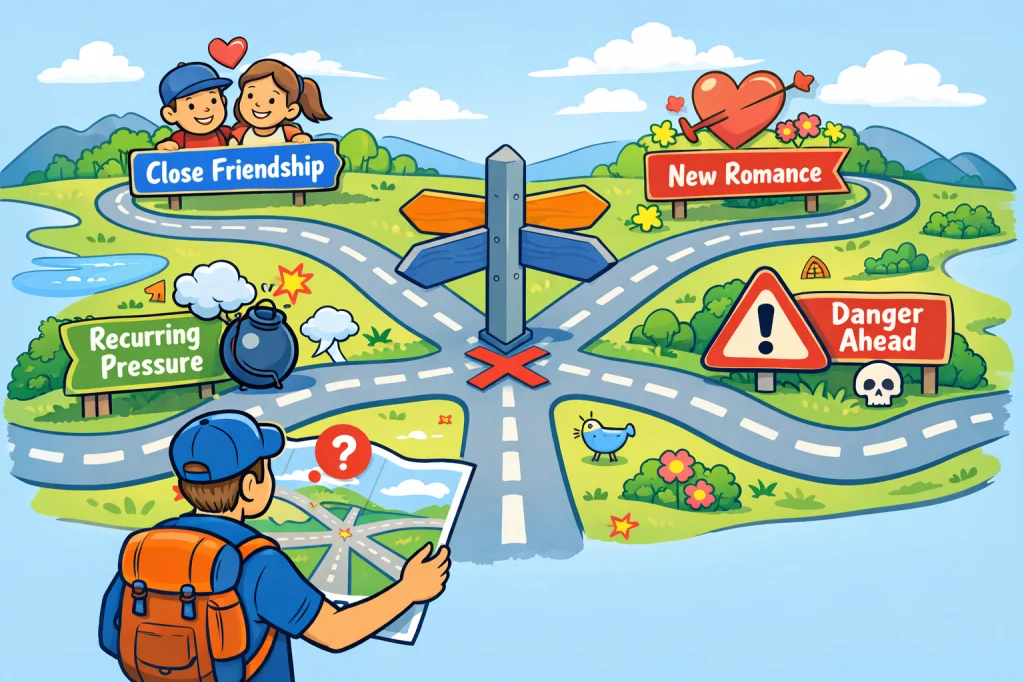
The right line changes depending on who is sending the pressure and what the relationship can actually handle. A new dating match gets a different kind of patience than a close friend who already knows you are not ignoring them on purpose. Here is a quick way to sort it before you type anything back.
| Who’s Texting You | What’s Actually Going On | Best Type of Reply |
|---|---|---|
| Close friend, occasional eagerness | Excitement, not pressure | Light deflection |
| Friend who keeps pushing for instant replies | A pattern that needs naming | Boundary text |
| New dating match, early texting | Testing how available you are | Dating-context reply |
| Anyone repeating the same pressure weekly | Entitlement to your time | Sharper reply |
| Someone who escalates fast and won’t stop | A pattern worth stepping back from | No-reply situation |
Once the situation is sorted into one of these rows, the right reply tends to be obvious. The mistake people make most often is reaching for a sharp line on someone’s first slip into eagerness, when a light deflection would have done the job just as well.
Friend-Context Replies, Lower Stakes, More Patience
With a friend, the relationship usually has enough history to absorb a little friction without anyone reading too much into it. These replies can be more direct than what you would send a new dating match, because the friendship is not on the line over response time the way a new connection might feel like it is.
The goal with a friend is honesty without distance. You want the pushiness to stop, not the friendship to cool off entirely, so these stay closer to playful than cutting, even when they are firm.
- “I love you, but I’m not your group chat speed.”
- “You know I always reply eventually, why does the wait freak you out?”
- “I’m not mad at you, I just don’t live on my phone.”
- “This is a ‘me’ thing, not a ‘you did something wrong’ thing.”
- “I promise the silence isn’t personal, it’s just a Tuesday.”
- “You’ll get a reply. You just might have to wait for it like everyone else.”
- “I’m not avoiding you, I’m just living my actual life for a second.”
One of my regulars used to send these to her best friend almost word for word, half joking, half not. The two of them are still close. The texts slowed down without either of them having a serious conversation about it, which is usually how it goes with people who actually like each other.
Dating-Context Replies, Different Stakes, Different Wording
Early dating texts come with more uncertainty on both sides, so a reply that would be fine for a close friend can land harder coming from someone you have known for two weeks. These versions stay calm and clear without sounding like a lecture, because the goal is information, not a power move.
If someone you just started seeing is already pressuring you over response time, that pressure is information worth paying attention to, regardless of how the rest of the texting feels. A reply can set the tone once. What happens after that is the actual answer.
- “I text back when I can, that’s not going to change.”
- “I’m interested, I’m just not glued to my phone.”
- “A slower reply doesn’t mean less interest, just less phone time.”
- “I’d rather text you something real than something fast.”
- “You’ll get to know that I’m just not an instant replier.”
- “I’m not playing games, I just have a life outside texting.”
- “If response time is a dealbreaker for you, better to know that now.”
That last line is not meant to sound harsh. It is meant to be true. Someone who cannot handle a normal reply pace early on is showing you exactly how that pressure will look six months in, and that is worth knowing before anything gets more serious.
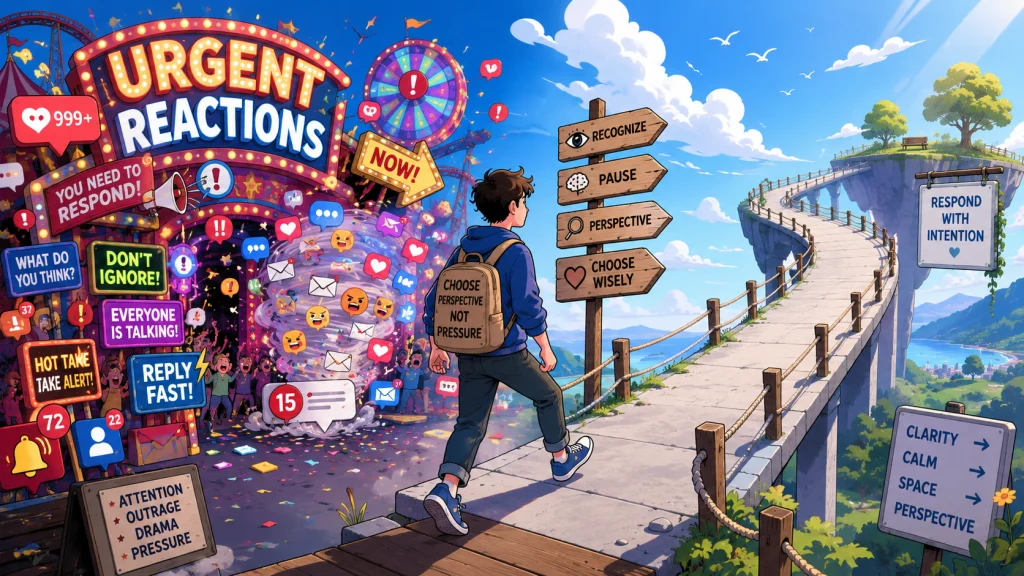
No-Reply Situations, When the Pressure Is the Red Flag
Sometimes the double texting itself is not really the issue, it is a symptom of something bigger. If someone escalates fast, sends increasingly upset messages over a short delay, or makes you feel like you have to drop everything to manage their reaction, that pattern matters more than any single reply you could send back.
In situations like that, the most useful move is often the shortest one, or no reply at all until you have had a minute away from the phone to think clearly instead of reactively.
- “👍”
- “Okay.”
- “Got both, will reply later.”
- “Noted.”
- “Talking later.”
- (Leaving it unanswered until you’ve had space to think is also a valid response.)
If the double texting comes with controlling language, threats, or a pattern that feels less like impatience and more like real pressure, that is no longer something a clever line fixes. That belongs to a conversation with someone who actually knows the full situation, not a reply typed back into the same phone that is causing the stress.
What Not to Text Back
A few responses feel satisfying in the moment and tend to backfire. Cruel labels, calling someone clingy or needy directly, almost always escalate things instead of closing them, even when the label is technically accurate. It turns a conversation about response time into a conversation about character, and that rarely ends cleanly.
Long apologies for simply having a life are another trap. Explaining in detail why you were busy, what you were doing, and why it was not personal only proves that the pressure worked, since you would not be justifying a normal delay otherwise. And repeating the same explanation every time someone double texts trains them to expect it, instead of teaching them that the behavior does not get a bigger reaction. One clear reply, stated once, does more than the same explanation said five different ways.
Final Thoughts
None of these replies are about punishing someone for missing you. Most double texts are harmless, even sweet, and they do not need a comeback at all. What this is really for is the version that comes with attitude attached, the message that turns your response time into something you owe an explanation for. A short, honest line usually settles that faster than a long one ever could.
If the pressure you are dealing with is less about double texting and more about being ignored entirely, the replies for what to text when someone leaves you on read cover that angle directly. And if the tone you are catching feels more coded than openly angry, the breakdown of passive aggressive text comebacks walks through that version. For the full range of how to handle pressure, attitude, or rudeness over text, the wider collection of savage replies to text messages and the complete set of savage comebacks for every kind of rude moment go deeper than response time alone.
FAQs
💬 What do you say to someone who double texts you?
If it’s harmless eagerness, a light, teasing line is enough. If it comes with attitude, a short boundary line that addresses the pressure, not the individual texts, works better than replying to each message separately.
📱 Is double texting always a bad sign?
No. Most double texting is just enthusiasm or a forgotten thought. It only becomes worth addressing when it comes with anger, guilt, or pressure attached to your response time.
⏳ How do you respond to someone who gets mad about response time?
Keep it short and unapologetic. Something like “I’ll get back to you when I see it, that’s just how I text” makes the point without justifying your schedule to them.
💔 What’s a good reply for clingy texting in a new relationship?
Stay calm and direct. “A slower reply doesn’t mean less interest, just less phone time” sets expectations early without sounding defensive.
🚫 Should you ever just not reply to a double text?
Sometimes. If the pattern feels less like impatience and more like real pressure, taking space before replying, or not replying at all in the moment, is a reasonable choice.
👥 How is a friend’s double text different from a dating match’s?
A friendship usually has enough history to handle a more direct reply. With a new dating match, the same bluntness can land harder, so a calmer, clearer version tends to work better early on.